
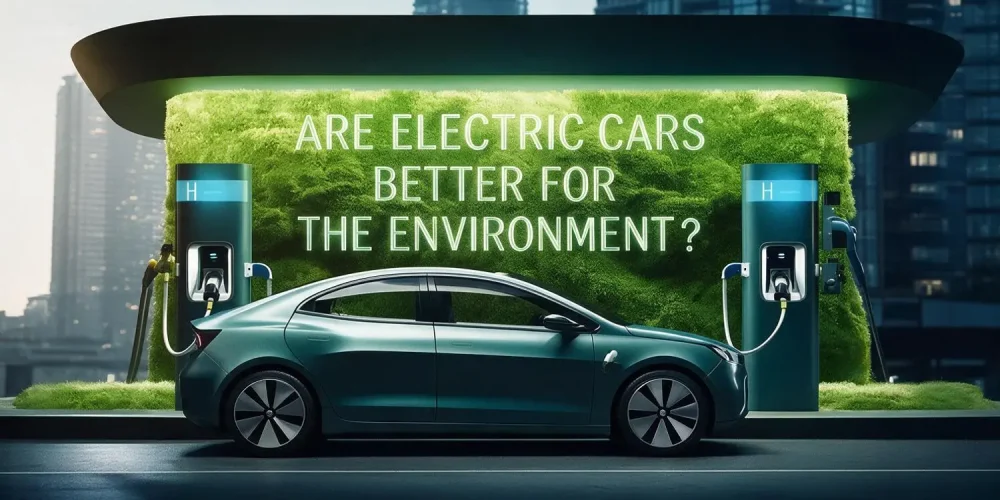
A Science-Based Look at EV Emissions, Battery Production, and Lifetime Environmental Impact
Introduction
Electric cars, also called electric vehicles (EVs), are often promoted as an environmentally friendly alternative to gasoline-powered cars. With concerns about climate change, air pollution, and urban smog growing globally, many people are asking one important question: Are electric cars better for the environment? Beyond simply appearing cleaner, people want to know whether EVs actually reduce environmental impact compared with traditional gasoline vehicles.
According to the U.S. Department of Energy, the transportation sector accounts for the largest share of greenhouse gas emissions in the United States, with passenger cars and light trucks contributing significantly to that total. This has led many people to ask, are electric cars better for the environment, or do the emissions from battery manufacturing and electricity generation offset their environmental benefits?
In this extensive guide, we will answer this question step by step, exploring:
● The true environmental impact of gasoline-powered vehicles
● How EVs differ fundamentally
● Lifecycle emissions from production, driving, and disposal
● Air quality and health benefits
● Current limitations and future outlook
Let’s begin by understanding how gasoline vehicles impact our environment.
How Gasoline Cars Impact the Environment
Gasoline cars have powered personal transportation for over a century. Before that, the transportation was a complete mess. The streets of populated countries were filled with animal waste. While they enabled mobility and economic growth, they also introduced persistent environmental challenges that persist today.
1 Tailpipe Emissions and Greenhouse Gases

The most direct environmental impact of gasoline cars comes from tailpipe emissions. When gasoline burns in an internal combustion engine, it produces carbon dioxide (CO₂), a key greenhouse gas that traps heat in the atmosphere. When heat can escape to the environment, global warming occurs, and this significantly disrupts the environment, even for countries that contribute less to CO2 emissions.
● Each gallon of gasoline burned releases about 8,887 grams of CO₂ EPA.
● A typical passenger car emits roughly 4.6 metric tons of CO₂ per year from fuel combustion alone, assuming average annual mileage and fuel economy.
These numbers show how gasoline cars contribute directly to climate change.
2 Other Harmful Pollutants
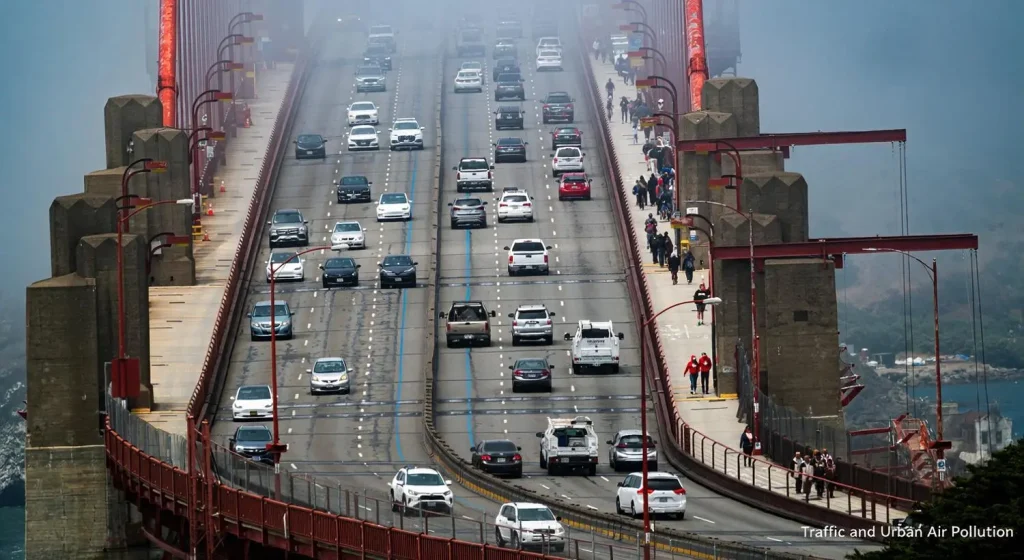
Beyond CO₂, gasoline cars emit nitrogen oxides (NOx), volatile organic compounds (VOCs), carbon monoxide (CO), and fine particulate matter (PM2.5). These pollutants:
● Contribute to smog formation
● Affects respiratory and cardiovascular health
● Intensify asthma and chronic lung conditions
Research shows that areas with heavy traffic often have higher rates of air pollution-related health problems, especially among children and other vulnerable individuals.
3 Oil Extraction, Refining, and Supply Chain Emissions

The environmental impact of gasoline vehicles isn’t limited to tailpipes. It goes way beyond just tailpipe emissions; fuel production itself causes a huge impact on the environment. Extracting crude oil from the earth, transporting it across continents, refining it into fuel, and distributing it to gas stations all produce significant emissions and environmental disruption.
Oil drilling and refining contribute to:
● Habitat disruption
● Water contamination
● Methane leaks and flaring
● Energy used in extraction and processing
This additional upstream footprint adds to the total environmental burden of gasoline vehicles.
National climate goals, like the U.S. commitment to cut emissions by 50–52% by 2030, depend partly on electrifying transportation. EV adoption supports these goals when coupled with clean energy expansion.
Do Electric Vehicles Make Any Difference?
Now that we’ve covered the environmental cost of gasoline cars, it’s time to see how electric vehicles compare.
What Makes an Electric Vehicle Different?
It’s really easy to understand the major difference between Electric vehicles and gasoline cars. Electric cars run on electric motors powered by rechargeable batteries. Electric vehicles significantly contribute to reducing tailpipe emissions. Unlike gasoline cars, EVs do not burn fuel while driving. That means no tailpipe emissions and little to no noise pollution.
Although EVs produce zero tailpipe emissions, to understand how exactly it happens, we need to learn more deeply.
1: Zero Tailpipe Emissions
According to the U.S Department of Energy, Electric cars produce zero tailpipe emissions during operation. This means:
● No CO₂ output from the vehicle itself
● No NOx, CO, VOCs, or PM2.5 generated while driving
For urban air quality, this is especially significant because tailpipe emissions are one of the major causes of bad air quality in urban areas. Reducing local pollution lowers smog formation and has measurable public health benefits.
Grid Energy Emissions vs Tailpipe Emissions
Electric vehicles still rely on electricity, most of which comes from the power grid. Grid electricity is often produced by fossil fuels. So, although the vehicle emits no pollution locally, the power plant used to charge it might. However, an EV can be charged using other cleaner energy methods such as hydro, solar, and wind power.
Some states heavily rely on fossil fuels for energy production; on the other hand, some states like Washington produce 70% of their energy using clean energy methods. Even though the world still relies on fossil fuel consumption for electricity production, each year, almost every other country is trying to shift towards clean energy:
● Electricity generation in the U.S. has become cleaner over time
● Renewable sources like wind and solar are rapidly expanding
This means the overall emissions connected to EV charging have been decreasing. Compared to gasoline cars, EVs are becoming cleaner over time.
2: Public Health and Air Quality Benefits
Reducing tailpipe emissions has immediate benefits for air quality and public health.
Lower Smog and Pollutants
EVs reduce urban smog and ozone formation by eliminating primary pollutant sources. Cleaner air is linked to:
● Fewer asthma cases
● Lower cardiovascular disease risk
● Reduced hospital visits
Impact on Vulnerable Communities
Communities near highways and busy roads often experience the worst pollution. EVs help reduce exposure in these areas, creating a more equitable environmental benefit.
Noise Pollution and Urban Quality of Life
EVs are quieter than gasoline cars. While this doesn’t impact greenhouse gases, it contributes to:
● Lower noise pollution
● Better quality of life in cities
● Less disturbance for wildlife
Lifecycle Emissions: EVs vs Gasoline Cars
To truly understand environmental impact, we must look at lifecycle emissions from production to driving to disposal.
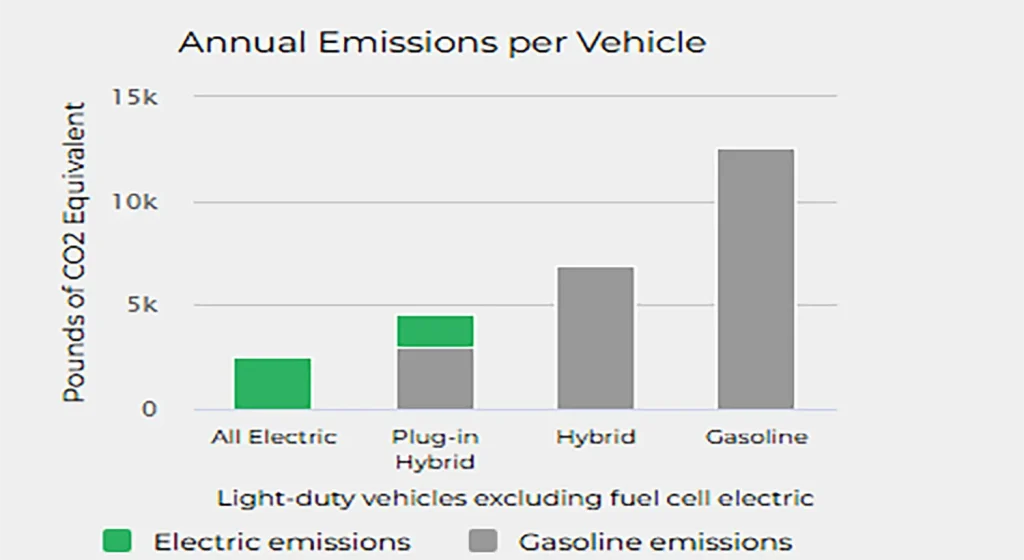
According to data analyzed by the Union of Concerned Scientists:
● EVs generally produce lower total emissions over their lifetime than gasoline cars
● This holds even when the electricity used is generated from fossil fuels
In most parts of the United States, an EV today results in lower greenhouse gas emissions than a comparable gasoline vehicle over its entire life.
The Environmental Cost of EV Battery Production
Electric vehicles aren’t perfect. One of the strongest criticisms against them involves battery production.
Battery Manufacturing Emissions

Producing lithium-ion batteries, especially the mining of raw materials like lithium and nickel, is energy-intensive. This means:
● EVs start with a higher manufacturing footprint than gasoline cars.
However, this initial cost must be weighed against years of cleaner operation. Cobalt and nickel mining, in particular, raise environmental concerns:
● Land degradation
● Water usage
● Local ecosystem disruption
Ethical concerns have also been raised about labor practices in some mining regions.
The good news is that EVs typically recover this production emission cost within the first few years on the road due to lower emissions during operation. After that, the overall lifetime emissions remain lower than those of gasoline cars.
Electricity Generation and Its Role
Electric vehicles do not operate in a vacuum; the source of the electricity that charges them plays a major role in their environmental impact.
According to the data published by the U.S. Energy Information Administration (EIA), the U.S. grid is a mix of:
● Natural gas
● Coal
● Nuclear
● Wind and solar
Coal produces the most carbon for each kilowatt-hour generated. Natural gas is cleaner but still emits greenhouse gases.
However, wind and solar produce electricity with virtually zero carbon emissions.
Regional Variability in EV Emissions
Depending on where an EV is charged, the emissions associated with charging can vary. For example:
● In states with mostly renewable power (e.g., Washington, where hydropower dominates), EV charging results in low emissions
● In states that still rely heavily on coal, charging can produce higher emissions
Even so, because EVs are more energy efficient than gasoline engines, their emissions often remain lower than gasoline vehicles, even on coal-heavy grids.
EPA data shows that EVs are cleaner than gasoline cars in nearly all regions of the U.S., regardless of electricity source.
Battery Recycling and Second-Life Use
One of the keys to minimizing the long-term environmental impact of EVs is battery recycling.
Lithium-ion batteries contain valuable metals that can be reused:
● Lithium
● Cobalt
● Nickel
● Copper
Recycling reduces the need for new mining and further lowers the long-term environmental footprint of electric vehicles.
Second-Life Battery Applications
Used EV batteries can be repurposed for:
● Stationary energy storage
● Solar power storage
● Backup grids
These second-life applications extract more value from the materials and defer recycling or disposal.
Limitations and Challenges
Even though EVs generally perform better environmentally, there are limitations:
1. Initial Battery Emissions
As discussed, battery production is energy-intensive.
2. Limited Infrastructure
Not all regions have abundant charging infrastructure, which can lead to reliance on gasoline hybrids.
3. Raw Material Supply Chain
Mining practices and material sourcing continue to need improvement.
However, many of these issues are being addressed through policy, technology improvements, and industry recycling efforts.
Conclusion
So, are electric cars better for the environment? Based on U.S. government data and scientific research, the answer is generally yes. While no vehicle is completely impact-free, electric cars produce fewer lifetime greenhouse gas emissions and significantly reduce local air pollution compared with conventional gasoline vehicles.
Electric vehicles:
● Produce zero tailpipe emissions
● Typically emit fewer greenhouse gases over their full lifecycle
● Improve air quality and public health
● Become cleaner as the electricity grid becomes cleaner
Although data proves that EVs do have an impact on the environment, they’re not perfect. Battery production and raw materials present environmental challenges. To fully reduce overall emissions, the world needs to reduce its fossil fuel energy production. A shift toward clean energy production is the only way to make EVs totally emission-free. Overall, the evidence shows that electric cars are better for the environment over their full lifecycle, especially as electricity grids continue to become cleaner and battery recycling technologies improve.
Frequently Asked Questions (FAQs)
1. Are electric cars better for the environment than gasoline cars?
Yes. Electric cars are generally better for the environment over their full lifetime. Although battery manufacturing creates higher initial emissions, lower operating emissions usually outweigh that impact after several years of driving. In most regions of the United States, lifecycle studies show that electric vehicles emit fewer total greenhouse gases than comparable gasoline vehicles.
2. Do electric cars produce zero emissions?
Electric cars produce zero tailpipe emissions, meaning they do not release carbon dioxide (CO₂), nitrogen oxides (NOx), or other pollutants while driving. However, emissions can occur indirectly when electricity is generated from fossil fuels. The overall environmental impact depends on how clean the local electricity grid is.
3. Is EV battery production bad for the environment?
Battery production does have environmental impacts. Mining materials such as lithium, cobalt, and nickel requires energy and natural resources. This increases manufacturing emissions compared to gasoline vehicles. However, studies show that EVs usually offset these initial emissions within the first few years of driving due to their lower operational emissions.
4. How long does it take for an electric car to become cleaner than a gasoline car?
The “break-even point” depends on driving habits and electricity sources. In many U.S. regions, an EV can offset its higher manufacturing emissions within 1 to 3 years of average driving. After that point, the EV continues to have a lower overall environmental impact compared to a gasoline vehicle.
5. Are electric cars better for air quality?
Yes. One reason electric cars are better for the environment is that they produce zero tailpipe emissions, helping improve urban air quality by reducing smog and harmful pollutants.
6. Do electric cars still pollute if electricity comes from coal?
Electric cars charged in coal-heavy regions still produce indirect emissions. However, EVs are generally more energy-efficient than gasoline vehicles. Even when charged from fossil fuel-based grids, EVs often produce fewer total emissions than traditional gasoline cars. As the U.S. electricity grid continues to shift toward renewable energy, the environmental benefits of EVs increase further.
7. What happens to electric vehicle batteries at the end of their life?
EV batteries can be recycled to recover valuable materials such as lithium, nickel, and cobalt. Recycling reduces the need for new mining and lowers long-term environmental impact. In addition, many used EV batteries can be repurposed for energy storage before being recycled.
8. Are electric cars the ultimate solution to climate change?
Electric vehicles are an important part of reducing transportation emissions, but they are not the only solution. Improvements in public transportation, urban planning, renewable energy expansion, and energy efficiency are also necessary to reduce overall environmental impact. EVs help significantly, but broader systemic changes are still required.