
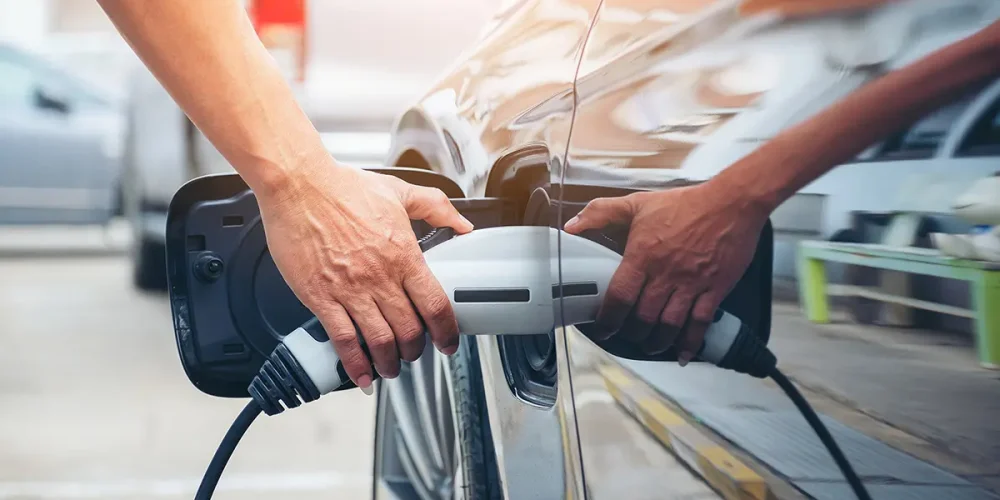
Confused about kW vs kWh? This beginner-friendly guide explains EV charging speed, battery size, amps, and volts in simple terms.
EVs are less complicated than a conventional gasoline engine car. No maintenance, no oil changes, and no replacement of mechanical parts. Yet for some new owners, there are a few things that might be confusing. If you’re new to electric vehicles, you’ve probably seen terms like kW, kWh, volts, and amps when looking at chargers or vehicle specifications. These EV charging terms can seem confusing at first, especially when they all look similar but mean different things.
Understanding these basic charging terms can help you:
● Estimate charging time
● Compare chargers
● Understand battery size
● Avoid common EV charging mistakes
Knowing these terms is crucial not only because it saves you some time, but it also prepares you for the time of any emergency. This guide explains kW vs kWh, volts vs amps in simple words, with easy examples. No technical background required.
Why Understanding EV Charging Terms Matters
When charging an electric vehicle, you are dealing with three main things:
● How fast does electricity flow into the car
● How much energy the battery can store
● What affects the overall charging speed
These are represented by:
● kW (kilowatt) – charging speed
● kWh (kilowatt-hour) – battery capacity
● Amps & Volts – electrical flow and pressure
Once you understand how these work together, EV charging becomes much easier to understand. You will also avoid choosing the wrong charging stations, and knowing this will help you a lot, especially on longer trips.
What is kW in EV Charging?(Kilowatt)
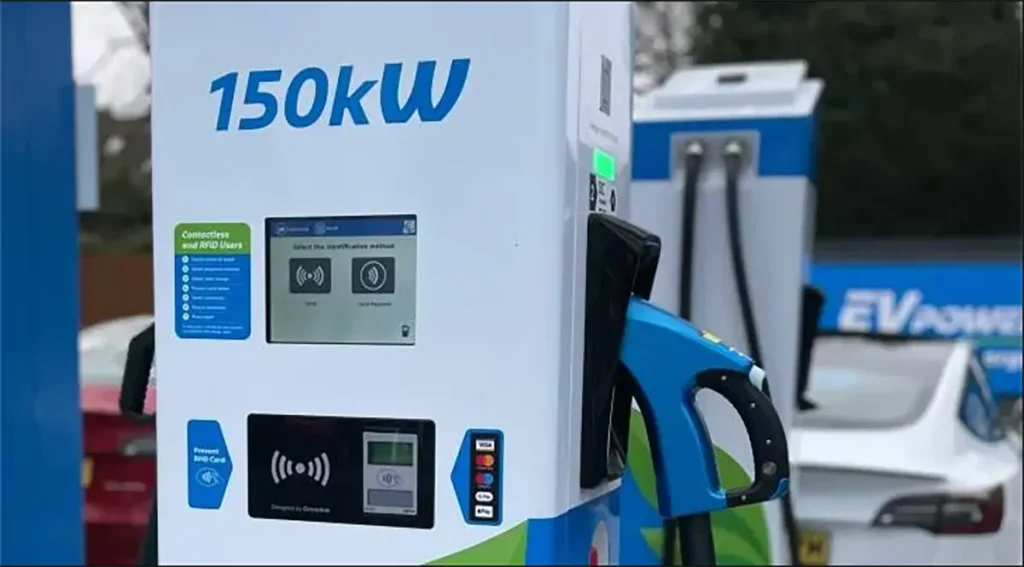
kW stands for kilowatt, and it measures power in EVs. In simple terms, kW tells you how fast electricity is delivered to your EV. A kW (kilowatt) represents 1,000watts. Watt is a unit of power, which you may have also seen this term written on your smartphone charging adapters. Since small electric devices need less power to charge, they charge up using tens or hundreds of watts. However, EVs have bigger batteries, and to charge them up quickly, we need more energy, such as kW (kilowatt)
Think of kW as charging speed.
For example:
● A 7 kW charger delivers energy slowly
● A 50 kW charger delivers energy much faster
● A 150 kW fast charger delivers energy even faster
So, the higher the kW, the faster your EV charges.
Simple Analogy
Imagine filling a bucket with water:
● A thin pipe fills it slowly
● A wide pipe fills it quickly
The pipe size is like kW. A bigger pipe (higher kW) means faster filling.
What is kWh? (Kilowatt-hour)
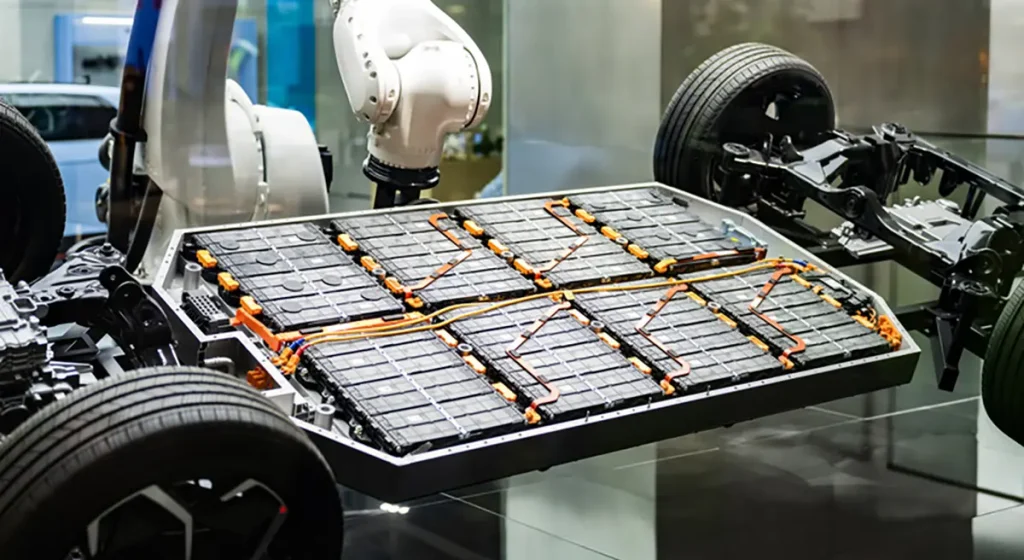
kWh stands for kilowatt-hour, and it measures energy. In EVs, kWh tells you how much energy the battery can store. In simple words, it tells how much energy a battery can store.
Think of kWh as battery size.
Examples:
● 40 kWh battery = smaller capacity
● 60 kWh battery = medium capacity
● 100 kWh battery = large capacity
The bigger the kWh number, the more energy your car can store, and usually the longer the driving range.
Simple Analogy
If kW is the speed of filling a bucket, then kWh is the size of the bucket.
● Small bucket = fills quickly, stores less water
● Large bucket = takes longer to fill, stores more water
kW vs kWh: What’s the Difference?
The difference between kW vs kWh is that one term defines the power that is required to charge an EV, while the other term is used to define the capacity of a battery. This is where many EV owners get confused. The difference is simple:
● kW = how fast you charge
● kWh = how much energy your battery holds
Example
If your EV has:
● A 60 kWh battery
● Charging at 7 kW
It means:
● Your battery can store 60 kWh of energy
● Your charger delivers 7 kW per hour
The quiation is simple as: charging time ≈ battery size ÷ charging power
So it will take around 8.5 hours to fully charge.
What Are Amps?
Amps (A) measure the flow of electricity. You can think of amps as how much current is moving through the charging to the EV.
Higher amps usually mean more electricity is flowing, which can increase charging speed, but only when the voltage stays the same.
Examples:
Standard household outlet: around 10–15 amps
EV home charger: 32 amps
Some home chargers: 40 amps or more
More amps can help charge faster, but amps alone don’t tell the whole story.
Volts vs Amps: What’s the Difference?
To understand EV charging, you also need to know the difference between volts and amps.
- Volts (V) = electrical pressure
- Amps (A) = electrical flow
Water Analogy
● Volts = water pressure
● Amps = amount of water flowing
So it tells us we need both volts and amps to charge faster.
For example:
● Low volts + high amps = moderate charging
● High volts + high amps = faster charging
Conclusion
Understanding kW vs kWh, volts vs amps doesn’t have to be complicated. At first, these terms might sound confusing. We broke down each term with a simple analogy to help you understand. Now you know that kW represents charging speed, kWh represents battery capacity, and volts and amps together determine how power is delivered, EV charging will become much easier to follow. These basic charging terms help you estimate charging time, compare chargers, and better understand your vehicle’s specifications.
For new EV owners, learning these fundamentals can remove a lot of confusion and make everyday charging decisions more straightforward. Whether you’re charging at home or on a longer trip, knowing the difference between kW vs kWh and volts vs amps helps you choose the right charger.
FAQs
What is more important, kW or kWh?
Both are important. kWh tells you how big your battery is, while kW tells you how fast it charges. You need both to estimate charging time. New EV owners usually get confused between these 2 terms.
Do higher amps mean faster charging?
Not always. Charging speed depends on both volts and amps. Higher amps help only when the voltage stays the same. Lower voltage but higher amps won’t make the charging faster.
What does a 7 kW charger mean?
A 7 kW charger delivers 7 kilowatts of power to your EV. This is common for home-level 2 charging and typically charges most EVs overnight. 7 kW is considered a standard AC charger, which is slower than a typical DC EV charger you find at a station.