

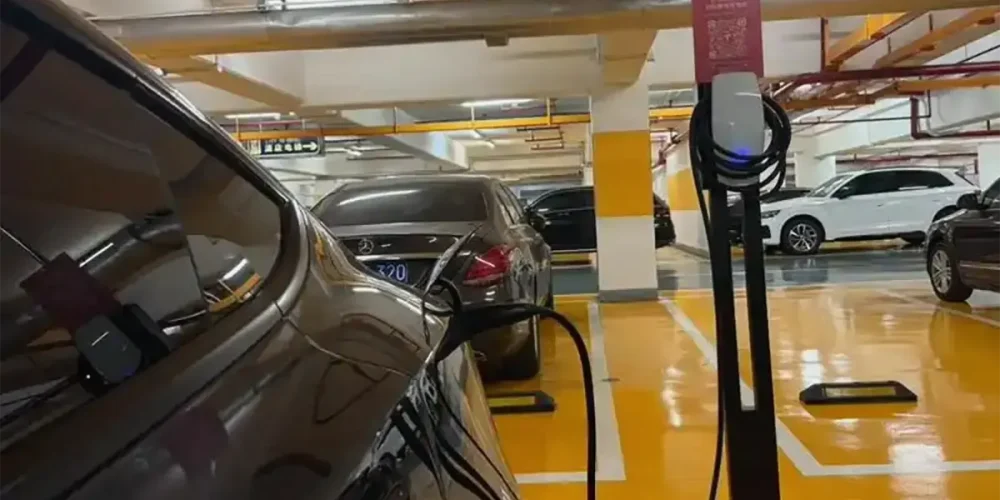
How Tesla Destination Charging Works, Where to Find It, and When It Makes Sense Over Supercharging
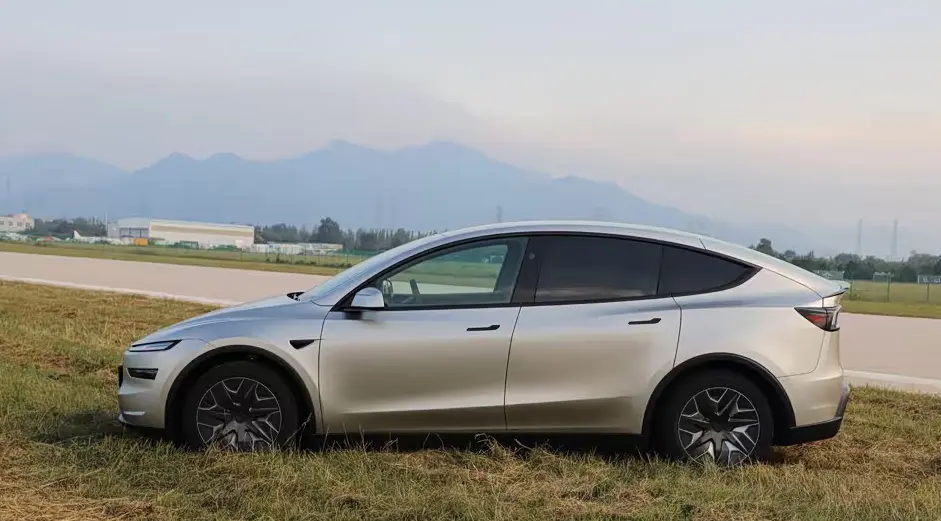
Tesla Superchargers usually get the spotlight when people talk about electric cars. It makes sense, given they can add hundreds of miles while you grab a coffee. But there is another network sitting right there in the background that arguably does just as much heavy lifting—the Tesla Destination Charger network.
Honestly, most owners overlook a Tesla Destination Charger until they actually need one. These chargers are slower than the massive Supercharger stalls, but they are usually free. Better still, they are located exactly where you actually want to spend time. If you are staying overnight at a hotel or spending three hours at a vineyard, speed is not really the point.
Imagine for a second arriving at your hotel with a low battery after a long drive. Instead of hunting for a fast charger in the morning, you simply plug into a Tesla Destination Charger and walk away. You wake up with a full charge without even thinking about it.
In this guide, we will break down how the Tesla Destination Charger network works, where to find it, and how to make the most of Level 2 charging while you travel.
So let’s get into it…
Key Takeaways
● Destination chargers are Level 2 units (240V), adding roughly 30 to 44 miles of range per hour.
● Most locations provide charging as a complimentary amenity for guests, though a new “pay-for-use” program exists for high-volume sites.
● You’ll typically find them at hotels, resorts, restaurants, and vineyards—places where you’ll be parked for several hours.
● Level 2 charging generates less heat than Supercharging, making it arguably better for the long-term health of your battery.
What Exactly is a Tesla Destination Charger?
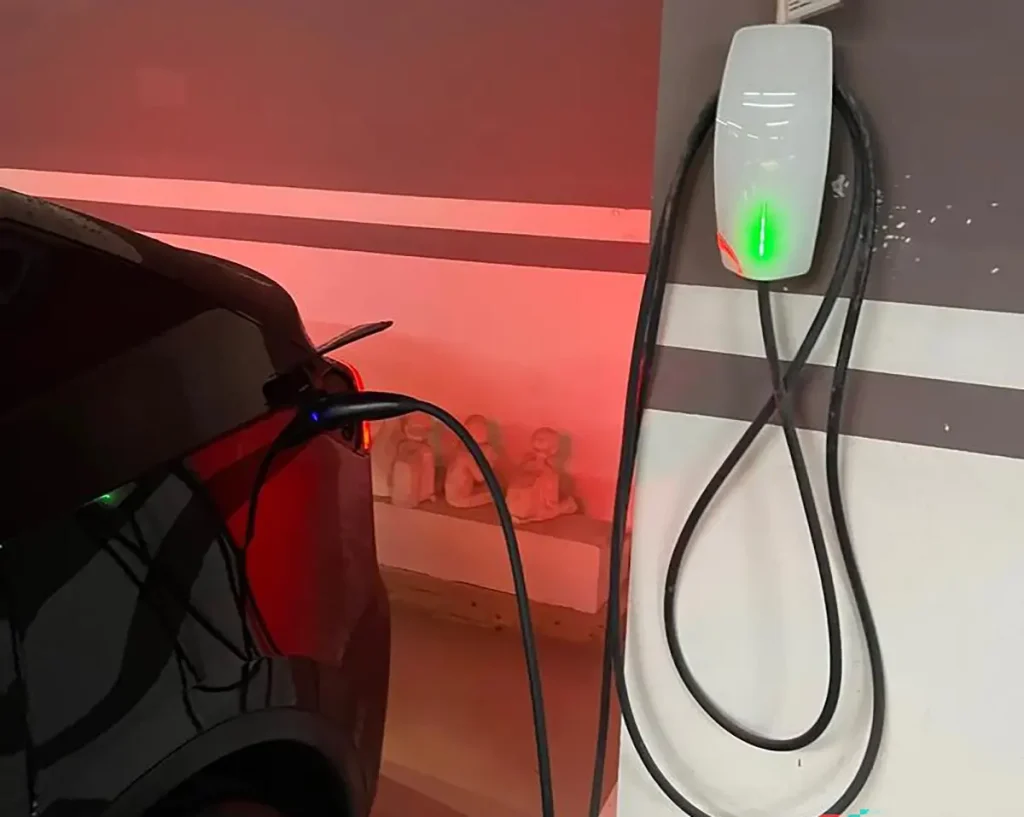
A destination charger is simply a Tesla Wall Connector installed at a business. It is a Level 2 charging solution, which is the same type of power you would find at a home setup. It uses a 240-volt connection, which is roughly the same as what your home dryer outlet pulls.
To give you some perspective, here is how the levels generally shake out:
● Level 1: It uses a standard wall outlet and is way too slow for most people.
● Level 2 (Destination): It is fast enough to fill your battery while you sleep or eat a long meal.
● Level 3 (Supercharging): This is strictly for getting back on the road as fast as possible.
Tesla has deployed over 50,000 of these Wall Connectors globally. It is one of the largest Level 2 networks in existence. Random thought, but it is kind of impressive how they managed to put these everywhere from high-end resorts to small-town cafes. It really helps kill off that lingering range anxiety.
Learn more about the difference between Level 1 and Level 2 chargers here.
Destination Charging vs. Supercharging: Knowing the Difference
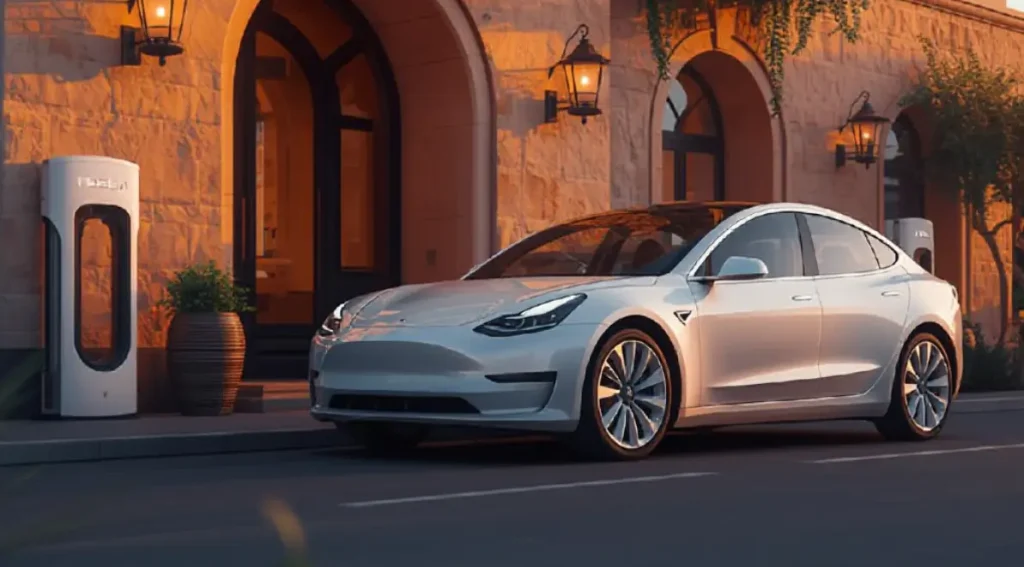
The difference between these two networks really comes down to location and intent. You wouldn’t use a Supercharger if you were staying at a hotel for 12 hours. Likewise, you wouldn’t want a destination charger if you were in the middle of a cross-country trip and needed to hit the road in 20 minutes.
A Quick Comparison
| Feature | Superchargers | Destination Chargers |
|---|---|---|
| Speed | Up to 250-325 kW (Very Fast) | Up to 11.5 kW (Moderate) |
| Location | Highway exits, rest stops | Hotels, restaurants, parks |
| Cost | Almost always paid | Often free as an amenity |
| Impact | More heat, more wear over time | Arguably better for battery health |
We would say the unseen benefit of destination charging is how it treats your battery. DC fast charging is great, but it generates a lot of heat. Using Level 2 charging for the majority of your needs is generally better for your battery’s long-term chemistry. It is a slower, cooler process that keeps things stable.
Charging Speed Breakdown
Look, here is the thing no one tells you about charging: the car is often the bottleneck, not the charger. A destination charger might be capable of 11.5 kW, but if your car has an older onboard charger, it will only take what it can handle.
Having said that, you can usually expect to add between 30 and 44 miles of range per hour. Here is a breakdown of what the different models typically see at a standard 48-amp destination charger.
Maximum Range Added Per Hour
| Tesla Model | Max Range Per Hour | Max Amperage |
|---|---|---|
| Model 3 (Long Range/Perf) | 44 miles | 48A |
| Model 3 RWD | 30 miles | 32A |
| Model Y (All Variants) | 44 miles | 48A |
| Model S | 41 miles | 48A |
| Model X | 35 miles | 48A |
But sometimes, things don’t go perfectly. You have probably been there—it is freezing outside and the charging speed just refuses to ramp up. A cold battery in the middle of winter can easily charge 20% slower than these maximum rates.
How Much Does It Cost to Use a Tesla Destination Charger?
For the most part, destination charging is a complimentary amenity. Businesses like hotels or restaurants pay for the hardware and the electricity because it brings in high-value customers. If you are choosing between two hotels and only one has a charger, you are probably going to pick the one with the plug.
However, Tesla recently launched a “pay-for-use” program. This allows property owners to actually charge you for the power you consume. For a site to qualify for this, they generally need:
● Six or more Wall Connectors installed.
● Third-generation hardware with Wi-Fi connectivity.
● A signed services agreement with Tesla.
You can check the Tesla app before you arrive to see if there is a fee. Even with this new program, the vast majority of these spots remain free for guests. Just keep an eye out for parking fees, though. A “free” charger in a $40-a-night parking garage is not exactly a bargain.
Finding and Using a Charger
Finding these stalls is actually quite simple. The easiest way is using your car’s built-in navigation. Just look for the thunderbolt icons. A single thunderbolt usually indicates a destination charger, while three thunderbolts mean it’s a Supercharger.
You can also use the Tesla mobile app to search for nearby locations. If you are planning a trip from your couch, the Tesla website trip planner is well worth a look.
How to Use One?
1. Park: Ensure you are in the designated EV spot.
2. Plug In: Grab the connector and plug it into your car’s port.
3. Check the Light: The Tesla logo on your charge port should pulse green.
4. Confirm in App: Check your phone to see the estimated time until full.
Speaking of etiquette, don’t be that person who leaves their car plugged in for three days. Once you are finished, move your car so someone else can get a charge. It is a simple gesture, but it makes the whole community better.
Can Non-Teslas Use These?
This is a question that comes up a lot. Since Tesla moved to the NACS connector (which is becoming the standard), the lines are blurring. Most destination chargers have a Tesla plug, but many newer EVs can use them with an adapter.
Some businesses even install Universal Wall Connectors that have both a Tesla plug and a J1772 plug. If you drive a Ford or a Chevy, you might still be able to use these spots. Just make sure to carry a reliable adapter in your trunk just in case.
Check out Duevolt’s range of EV adapters here.
Charge Your Tesla at Home or Anywhere
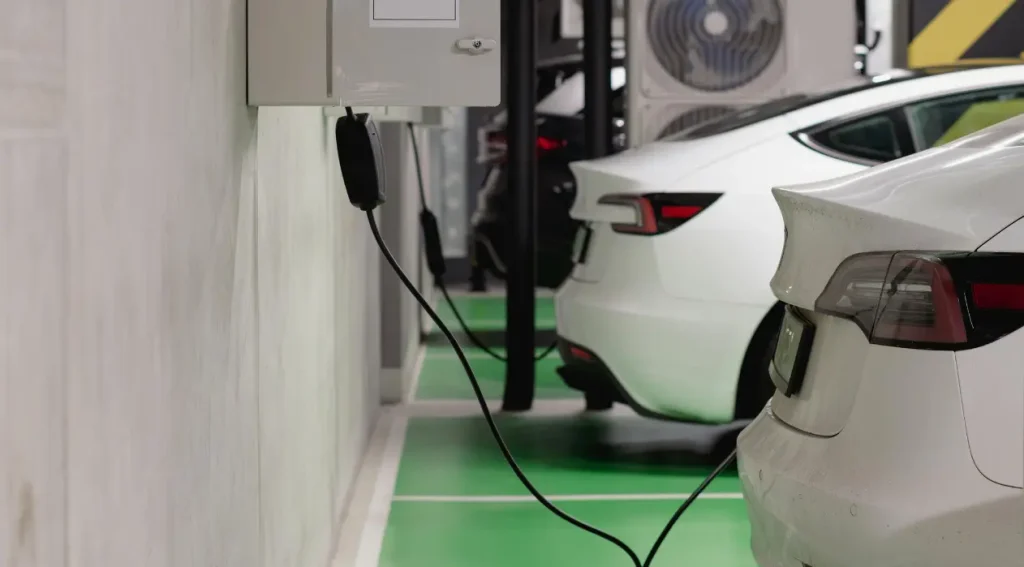
While destination chargers are great for travel, the real long-term solution is a home setup. Installing a DUEVOLT Level 2 EV Charger in your garage is arguably the best investment you can make for your EV. It gives you that same 44-mile-per-hour speed every single night.
Better still, you can carry a Level 2 Portable Charger with you. If you end up at a destination that does not have a dedicated Tesla charger, but they do have a 240V outlet, you are still in business. It is a great way to stay worry-free on the go.
Final Thoughts
The Tesla Destination Charger network is one of the most underrated parts of owning a Tesla. While Superchargers get you back on the road quickly, destination charging quietly fits into your daily routine—charging while you sleep, eat, or relax.
Once you start planning trips around a Tesla Destination Charger at hotels, resorts, and restaurants, charging stops feeling like a chore and more like a background convenience. Used correctly, destination charging can reduce reliance on fast charging, support long-term battery health, and make EV ownership noticeably easier.
If you know how and when to use a Tesla Destination Charger, you are not just charging—you are charging smarter.
Frequently Asked Questions
How fast does Tesla destination charging work?
Generally, you’ll see 30 to 44 miles of range per hour. It depends on your car’s onboard charger and the circuit’s amperage.
Is Destination Charging free on Tesla?
Most are free for customers of the business hosting them. However, some locations with six or more chargers may charge a fee through the Tesla app.
Can any EV use a Tesla Destination Charger?
Yes, if you have the right adapter. Many locations also have standard J1772 chargers available alongside the Tesla ones.
How do you set a destination as a charger on Tesla?
You can’t really navigate to a destination charger the same way you do a Supercharger to precondition the battery, mostly because Level 2 charging doesn’t require the battery to be as warm. Just enter the address of the business as your destination.
What is the difference between Destination Charging and Supercharging?
Supercharging is fast DC power for road trips. Destination charging is slower AC power for when you are staying put for a while.