

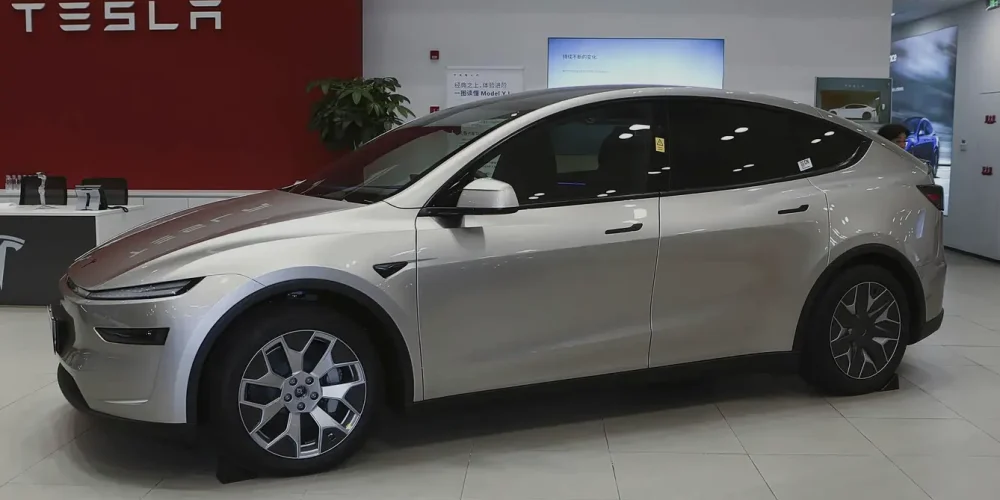
A real-world breakdown of Tesla battery replacement costs, battery types, warranty limits, and smarter alternatives for owners
Battery replacement is the biggest worry for Tesla owners. And we’d say it’s somewhat overblown, especially since complete failure is actually quite rare for modern Teslas.
However, it’s probably better to know the potential costs and factors involved, just in case, you know. The battery is, after all, the most expensive component of any electric vehicle. It seems sensible to understand what you’re looking at before a problem actually hits.
If you’re also wondering how long a Tesla battery typically lasts before replacement becomes a real concern, this breakdown on real-world battery lifespan may help put the costs into perspective.
Anyhow, in this guide, we’ll cover some general principles for all models together. Better yet, for the specific tesla battery replacement cost, we’ll break things down model by model, looking at the Model S, Model X, Model 3, and Model Y individually
So let’s get straight into it…
1. How Much Does a Tesla Battery Replacement Cost?
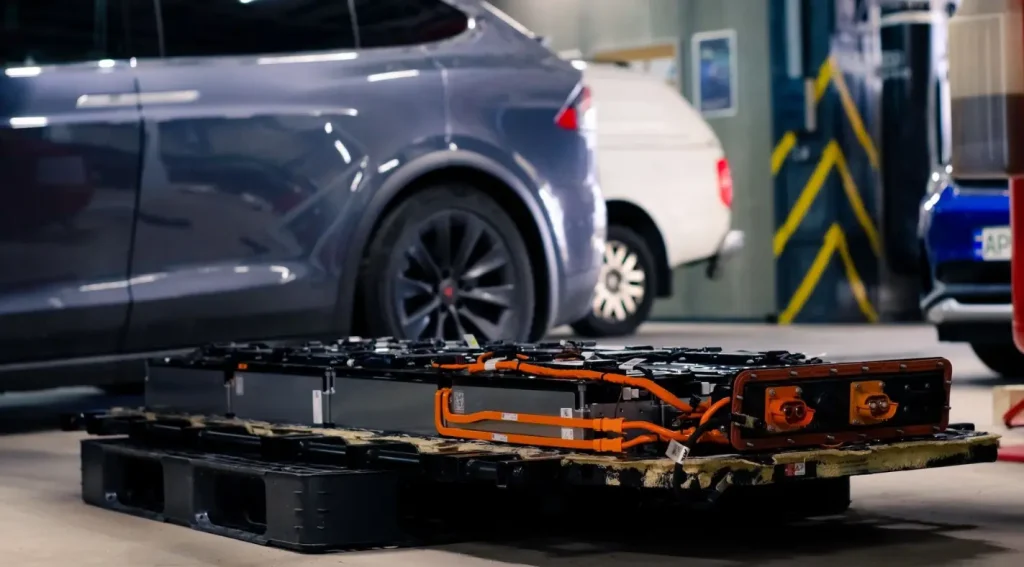
The total cost of a Tesla battery replacement could be anywhere between $15,000 to $25,000 outside warranty depending on model, labor and some other factors. Speaking of which, let’s look this into detail. It’s better to know exactly what you’re paying for, whether that’s a brand-new unit or a remanufactured one that costs marginally less.
1.1 Factors Affecting Replacement Cost
There are four main pillars dictate what you’ll eventually see on that final invoice:
● Battery type: This is arguably the most critical factor. LFP (Lithium Iron Phosphate) packs are generally economical to manufacture than the nickel-based alternatives often found in long-range models.
● Battery size: It’s simple math. More kilowatt-hours (kWh) means a higher invoice. A 100kWh pack has significantly more raw material than a 50kWh unit, hence the price hike.
● Labor Costs: Service Center hourly rates usually hover between $175 and $210 per hour.
● Warranty Coverage: If your battery capacity drops below 70% within the 8-year warranty period, Tesla covers the replacement. If not then, or if you hit your mileage cap first—be it 100,000, 120,000, or 150,000 miles depending on your model—you’re on your own.
1.2 Common Tesla Battery Types and Sizes
Tesla has been kind of shifty with their battery suppliers over the years, rotating between Panasonic, LG, and CATL. This has led to two main chemistries dominating the lineup. Understanding which one is sitting under your floorboards is probably the most important thing for your wallet.
● LFP (Lithium Iron Phosphate): Rugged, heavy, and loves a 100% charge. These are primarily in the “Standard Range” or RWD models. They’re more economical to build because they don’t use expensive cobalt or nickel.
● NCA (Nickel Cobalt Aluminum): The energy-dense found in Long Range and Performance trims. These are more expensive but offer the range and punch people expect from a high-end EV.
| Model | Typical Capacity | Chemistry Type | Estimated Life (Cycles) |
|---|---|---|---|
| Model 3 RWD | 57.5 – 60 kWh | LFP | 3,000+ |
| Model 3/Y Long Range | 75 – 82 kWh | NCA / NMC | 1,500 – 2,000 |
| Model S/X Long Range | 100 kWh | NCA | 1,500 – 2,000 |
1.3 Estimated Cost Breakdown by Model
Now, let’s look under the hood of the specific models. Every Tesla is built to some degree differently, and those differences show up in the labor hours.
Model 3
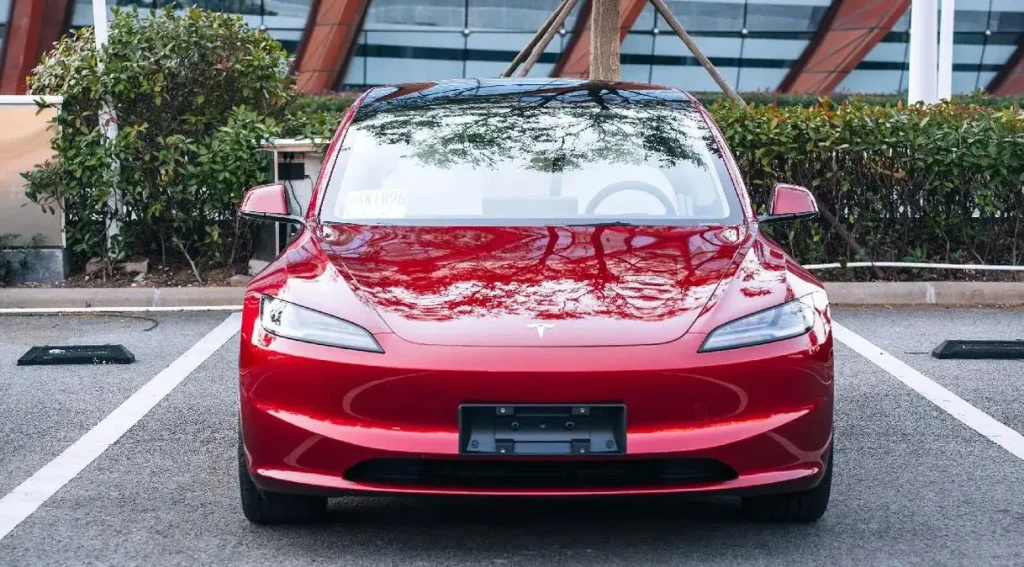
The Standard Range LFP swap is usually the most affordable. Since these packs are smaller, the raw material cost stays relatively low. Most owners report total bills in the $12,000 to $16,000 range. Albeit, if you have an older Performance model with the 82kWh pack, expect to be on the higher end of that spectrum.
Model Y
Structural packs in newer models add a sort of complexity to the labor side. For a while, the Model Y followed the Model 3’s pricing closely, but with the shift toward front and rear castings, getting to the battery can be a slightly more involved surgery. $14,000 to $17,000 is the realistic window here.
Model S
Those older 85kWh packs are the most frequent out-of-warranty guests at the shop. They were the pioneers, but they also faced the most growing pains with moisture ingress and early cell degradation. A remanufactured pack swap usually sits around $15,000, but a new 100kWh pack can easily clear $22,000.
Model X
Given the falcon wing door engineering and the heavy-duty pack size, you’re looking at a flagship bill. Accessing the high-voltage junctions in an X is just harder than it is in a 3. On top of that, you’re almost always dealing with the largest 100kWh packs. Expect a total of $15,000 to $25,000 depending on the specific revision of the battery hardware.
2. Battery Replacement Options
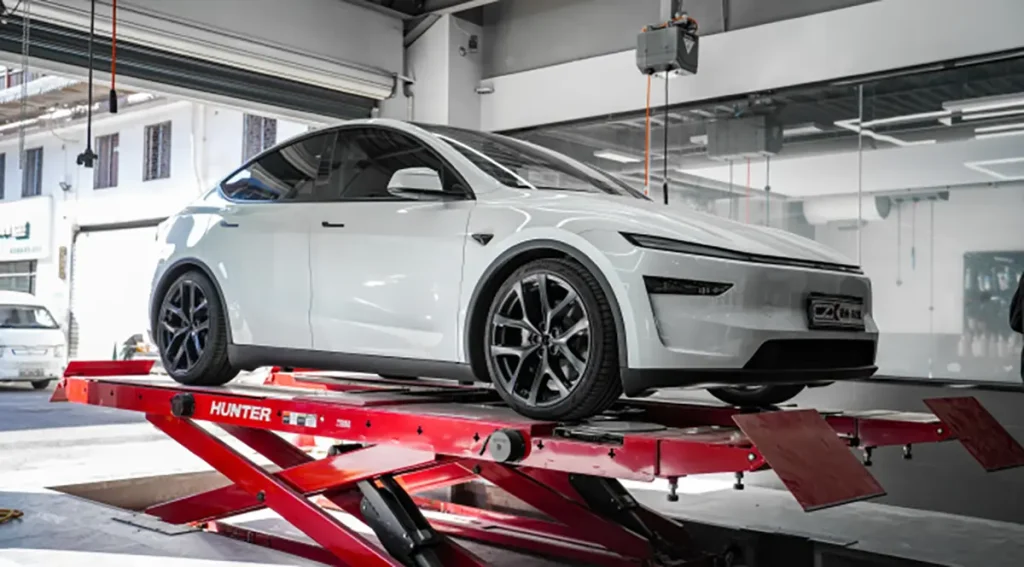
When the screen finally shows that dreaded “Maximum Battery Charge Level Reduced” alert, you have two real paths. Neither is particularly fun, but one is definitely more economical.
● Tesla Service Center: This is the benchmark. You get the official software handshake, a 4-year/50,000-mile warranty on the replacement part, and a guarantee that your Supercharging will not be disabled. Having said that, you’ll pay top dollar for the privilege.
● Third-Party Providers: And then there’s a different way to look at it. Rather than swapping the entire battery brick, some independent specialists offer component-level repairs. This means they’re replacing only the faulty cells or modules—usually for about a third of the cost of a full replacement. It is well worth considering particularly for older models. That said, third-party repairs carry trade-offs: quality can vary by provider, Tesla may restrict certain diagnostics or software access afterward, and future warranty or goodwill support could be limited.
3. When Does It Actually Make Sense to Replace a Tesla Battery?
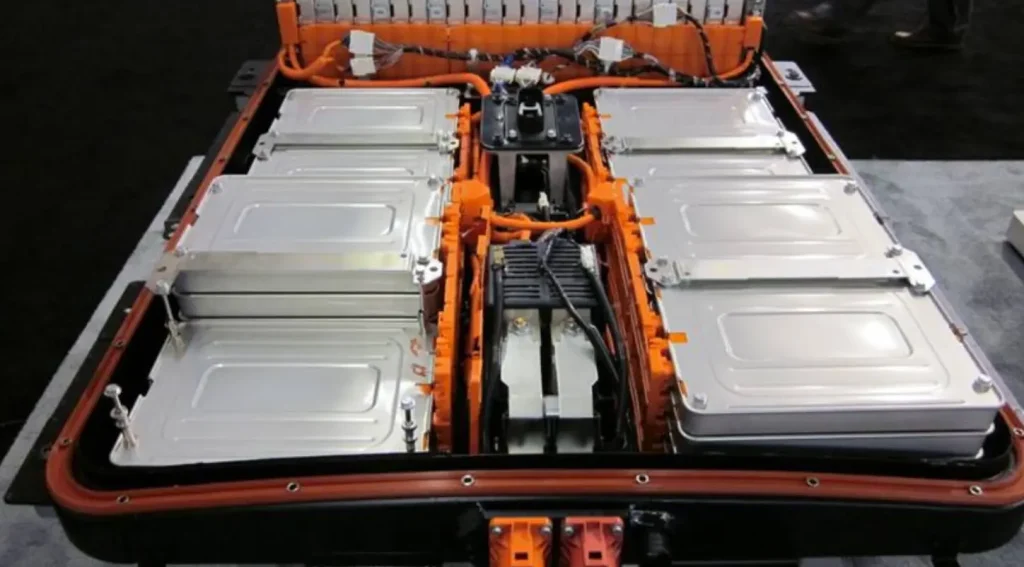
Not every warning message or range drop means you should rush into a five‑figure battery replacement. In fact, most Tesla owners will never truly need one. Here’s a practical way to think about the decision.
Battery replacement is usually justified if:
● Your battery health has dropped well below 70%, and the reduced range materially affects daily use.
● You’re experiencing repeated power limitation warnings, charging failures, or sudden range loss.
● The rest of the vehicle is in strong condition, and you plan to keep it for several more years.
● The replacement cost is still meaningfully lower than buying a comparable used or new EV.
Replacement often does not make financial sense if:
● The car has very high overall mileage and other major components are nearing end‑of‑life.
● Range loss is mild and predictable, with no drivability or safety issues.
● The replacement cost approaches or exceeds the car’s resale value. In cases like this, understanding whether mileage truly reflects a Tesla’s remaining value can make the decision much clearer.
● You’re planning to sell or upgrade within the next year or two.
In many borderline cases, adjusting driving habits or charging routines is far cheaper—and perfectly adequate. A full battery replacement should be a long‑term ownership decision, not a reaction to normal degradation.
4. How to Retain Maximum of Your Current Battery Life
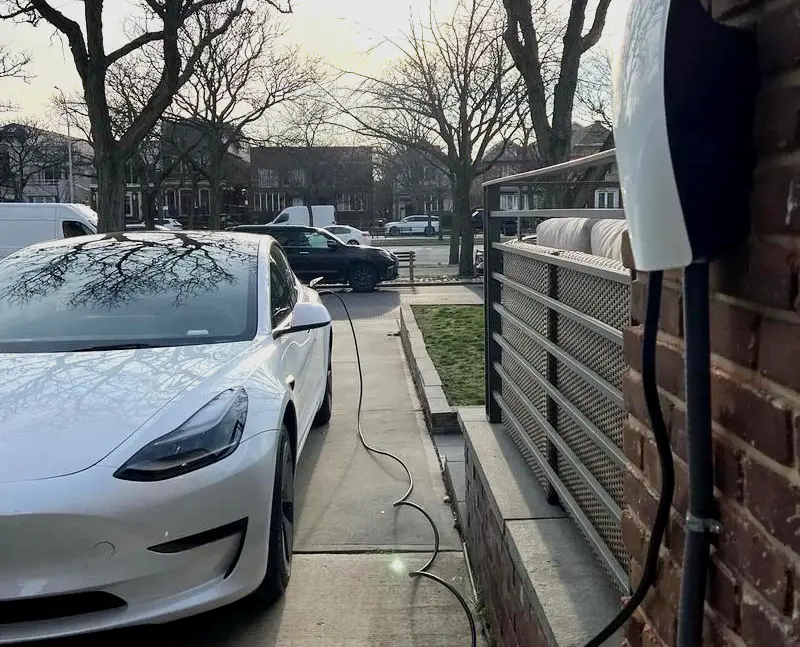
You probably want to avoid that $20,000 bill for as long as possible. For many owners, that starts with making sure their home charging setup is actually optimized for battery longevity. And quite honestly, most of it comes down to daily discipline.
● Charging Habits: The 20% to 80% is the golden rule for NCA packs. If you have an LFP battery, better still, you can charge to 100% once a week to keep the BMS calibrated.
● Climate Control: Extreme heat is the real battery killer. Because heat accelerates the chemical breakdown of the electrolyte. Therefore, you’d be better off parking in the shade.
● Software Updates: Don’t ignore those “Update Available” notifications. They often include tweaks to the thermal management system that can keep your cells balanced for years longer.
5. Closing Thoughts
We think the battery anxiety is often exaggerated, however being prepared for the $20,000 scenario makes you a smarter owner. On the whole, the tech is outlasting the car bodies in most cases. Strangely, the biggest threat to your battery is not time, it’s neglect. Keep it cool, keep it between 20-80%, and your Tesla will likely be on the road for a decade or more, so there won’t be worrying about tesla battery replacement cost.
Preserve your Tesla battery life with a high-quality home charging solution like the Duevolt Level 2 Portable Tesla Charger. Control your charging schedule, optimize energy use, and monitor progress in real time.
Frequently Asked Questions (FAQs)
Are Tesla batteries covered by a warranty?
Yes, they have been guaranteed for 8 years or 100,000 to 150,000 miles (depending on the trim). The catch is the 70% retention rule. If your battery is at 71% health at year seven, Tesla won’t give you a dime.
How many years do Tesla batteries last?
Data suggests 15–20 years for the average driver. We would say for most people, the car’s suspension or interior will wear out long before the battery does.
What is the best home EV charger to prolong Tesla battery life?
Any Level 2 charger that lets you throttle the amperage is a win. Fast charging is convenient, but slow, steady AC charging at home is what keeps the chemistry stable.
Does LFP vs NCA battery type matter?
Absolutely, it changes your daily charging limit rules. LFPs are great for commuters who want to “set it and forget it” at 100%, whereas NCAs require a bit more micromanagement.