

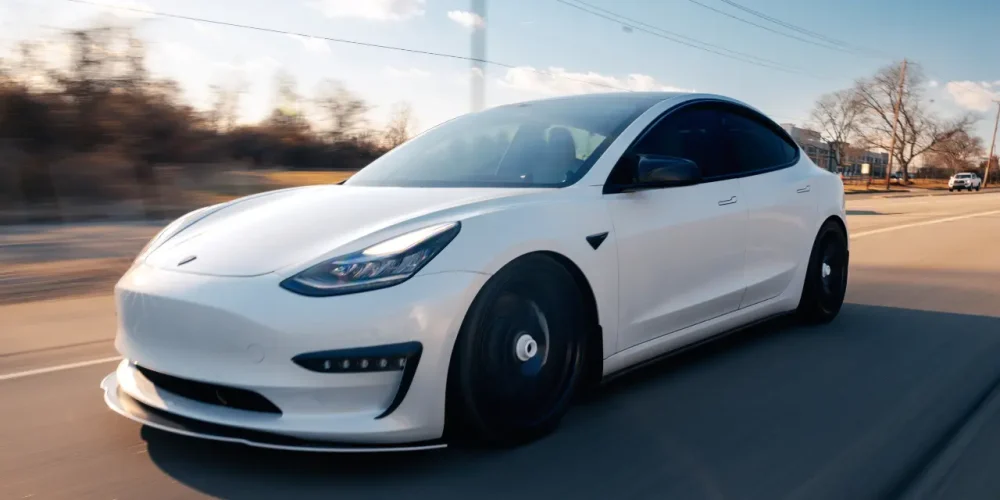
From warranties and battery chemistry to real-world data, here’s how long Tesla batteries actually last in everyday driving.
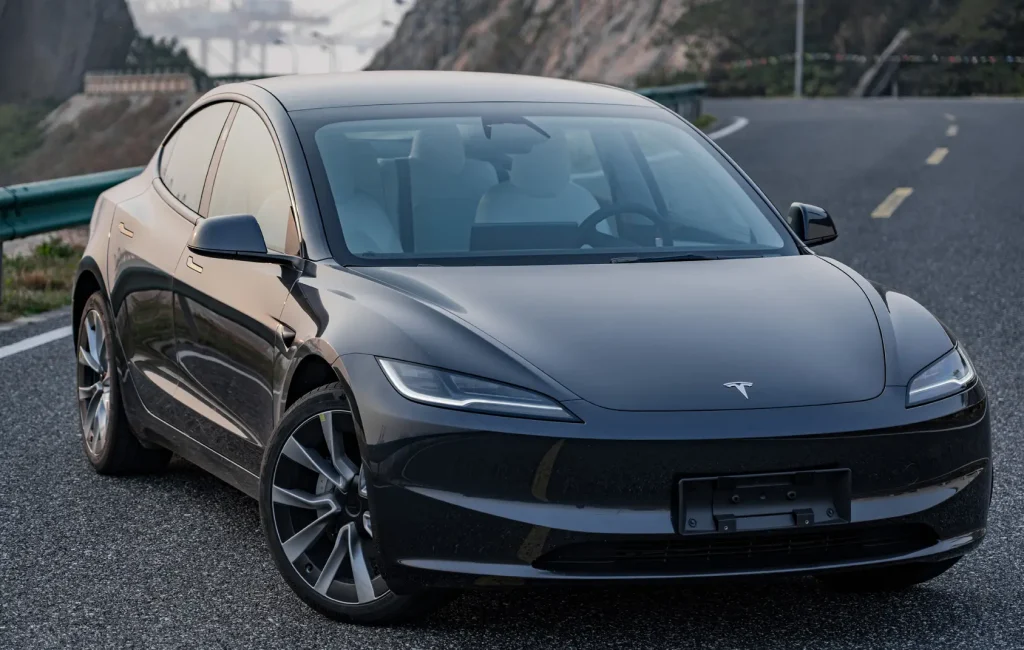
If you’re thinking of buying a new Tesla, or perhaps you’ve already got one in the driveway—you’re probably asking yourself how long that battery will actually last. It’s a big question, isn’t it? And honestly, every single EV buyer has that exact same thought at some point.
So, how long does a Tesla battery last in real-world driving—not in lab conditions, but over years of daily use?
We could just say a Tesla battery could last between 10 to 20 years to save you the hassle, but that’s somewhat oversimplifying things. That being said, a one-liner does not really cut it when we’re talking about something this critical… sort of leaves out the nuances, you know?
Elon Musk’s Claim vs. Reality
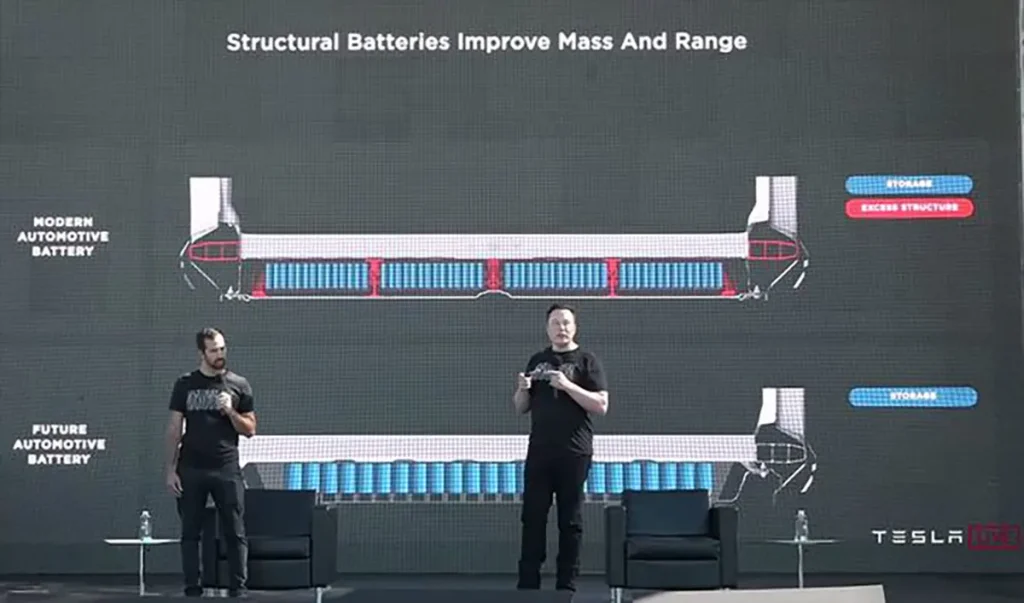
Speaking of longevity, Elon Musk famously tweeted back in 2019 that the Model 3 drive unit and body were designed like a commercial truck for a million-mile life. Now, we’d argue that most people will sell their car long before the odometer hits seven figures. But his claim that the current battery modules should last 300k to 500k miles (about 1,500 cycles) is well worth noting.
Better yet, he suggested that replacing individual modules, rather than the entire pack, would eventually cost only $5,000 to $7,000. It sounds great on paper, but in terms of real-world application, Tesla mostly swaps entire packs rather than tinkering with internal modules. Still, it gives you a glimpse into the engineering goal, a car that outlives its owner’s interest in it.
The Tesla Warranty Safety Net
So, what happens if your battery starts acting up early? Tesla provides a specific Battery and Drive Unit Limited Warranty, and it’s somewhat of a moving target depending on which model you drive.
As of current standards, Tesla guarantees that its batteries will retain at least 70% of their original capacity during the warranty period.
In laymen’s terms, if your 300-mile range drops to 200 miles within eight years, you’re likely getting a new pack for free.
Here’s how the mileage limits break down:
● Model S & Model X: 8 years or 150,000 miles.
● Model 3 RWD: 8 years or 100,000 miles.
● Model 3 (Long Range/Performance) & Model Y: 8 years or 120,000 miles.
It’s highly unlikely your battery will just die the day the warranty expires. These things degrade slowly—kind of like a phone battery, but with a massive cooling system to keep things from getting messy.
NCA vs. LFP vs. NCM
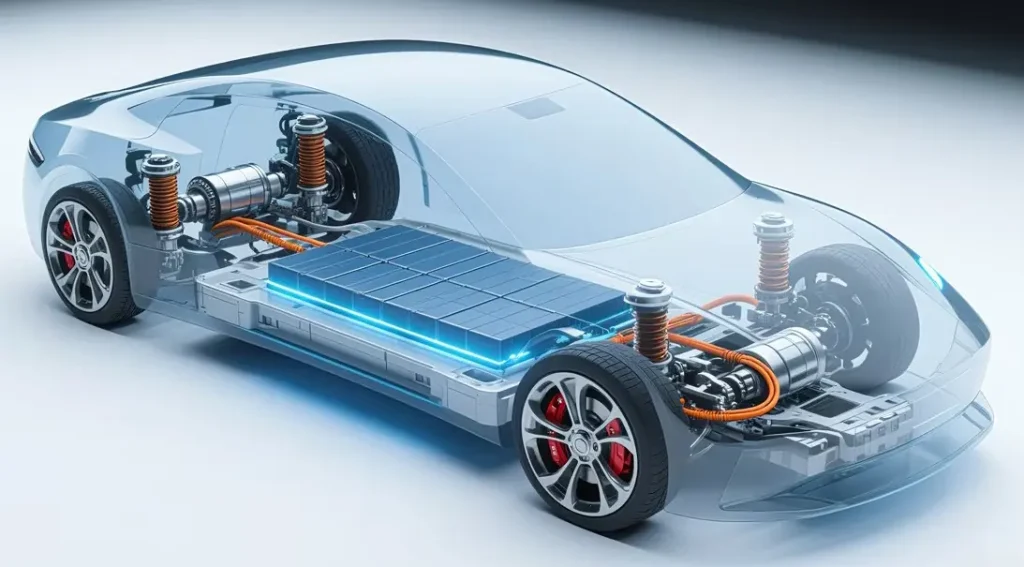
Not all Tesla batteries are created equal. In particular, the chemistry under the floorboard makes a huge difference in how you should treat your car.
Historically, most U.S. Teslas used Nickel-Cobalt-Aluminum (NCA) chemistry. These are energy-dense and great for performance, but they’re a bit sensitive to being left at 100% charge. Elsewhere in the lineup, specifically the base Model 3, Tesla has shifted to Lithium Iron Phosphate (LFP) batteries. These are arguably more resilient to degradation. You can charge an LFP battery to 100% every single day without the same guilt you’d feel with an NCA pack.
We’ve also seen the arrival of the 4680 NCM (Nickel-Cobalt-Manganese) cells in some Model Y units. It’ll probably be a decade before we truly know how these hold up, but the early signs point to improved thermal stability.
The Degradation Curve
Taken together, these real-world data points suggest that a Tesla battery typically lasts far longer than many first-time buyers expect.
Data collected by NimbleFins suggests that, in particular, Tesla batteries tend to lose about 1% of their range per year for those first seven years. Having said that, the rate does not stay that steady forever. It actually starts to pick up speed as the car ages.
By the ten-year mark, these cars were down to about 82.5% of their original capacity. Arguably, that’s still a lot of life left for a decade-old machine, but it’s a detail you’ll probably want to keep in mind if you’re shopping the used market.
Actually, a report from The Cool Down found that Model S and Model X batteries degrade by only 12% on average after 200,000 miles. It’s important to remember that degradation is not linear. You’ll usually see a small drop in the first year, perhaps, 2% or 3%, and then it levels off into a slow, steady crawl.
How to Maximize Your Tesla’s Battery Lifespan

To our eyes, the best way to keep your Tesla healthy is to manage calendar aging.
- Avoid 100% (unless you have LFP): Keeping a battery at a high state of charge for too long is like keeping a rubber band stretched to its limit.
- The 20-80 Rule: Most experts agree that staying between 20% and 80% for daily driving is the sweet spot.
- Mind the Heat: Tesla’s thermal management is great, but parking in the shade on a 100-degree day certainly does not hurt.
Oddly, frequent Supercharging is not as bad as people once thought. Recent data shows that the car’s software does a pretty good job of protecting the cells from the high-voltage firehose of a Supercharger.
Closing Thoughts
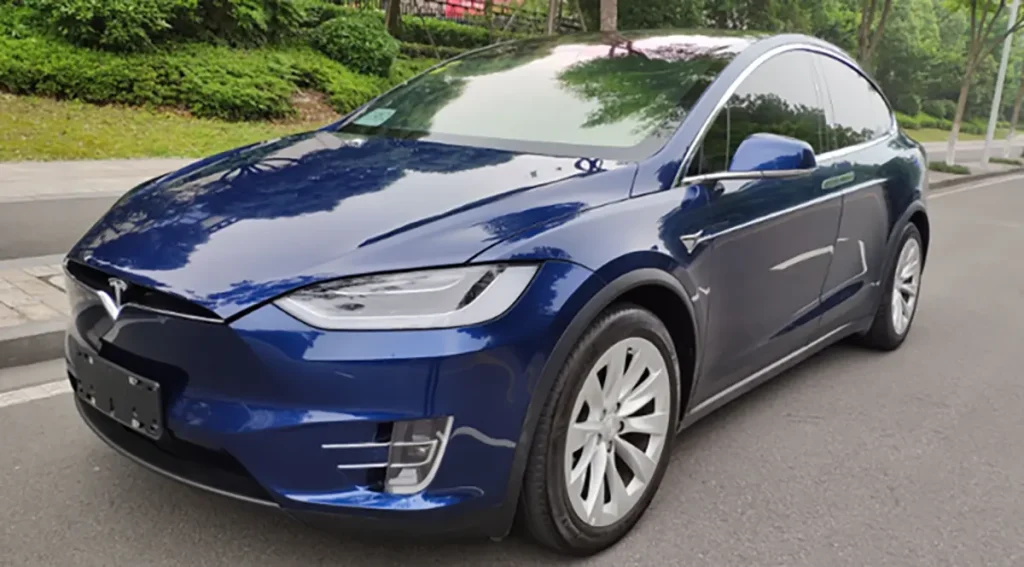
To sum up, the fear of a Tesla battery wearing out is mostly a relic of the early EV days. Between the robust warranties and the growing body of real‑world data from high‑mileage drivers, the hardware is proving to be remarkably durable.
So, how long does a Tesla battery last in real-world ownership? For most drivers, the answer is comfortably well beyond a decade—often 15 to 20 years—before range loss becomes a genuine daily concern.
In reality, you’ll likely want a new car for updated infotainment, newer driver‑assist features, or faster processors long before the battery itself gives up the ghost.
Anyway, that’s our take.
And if you’re looking for reliable EV chargers—perhaps a portable unit or a full-fledged home station—you’d do well to check out Duevolt’s range.
Frequently Asked Questions
Can a Tesla battery last 300,000 miles?
Honestly, yes. Data shows cars reaching 300,000 miles with only about 12-15% degradation. It’s well within the realm of possibility for the average driver.
Do Tesla batteries only last 10 years?
Probably not. While the warranty ends at 8 years, most packs are expected to hit 15 to 20 years before the range becomes impractical for daily use.
How long do batteries last in a Tesla Model 3?
It depends on the trim. The RWD (LFP battery) is built for thousands of cycles and might actually outlast the more expensive Long Range versions in terms of total cycle life.
What happens after 8 years of a Tesla battery?
Nothing dramatic. You just lose your free replacement safety net. Your car will likely keep driving exactly as it did the day before, just with a few miles less range than when it was brand new.