

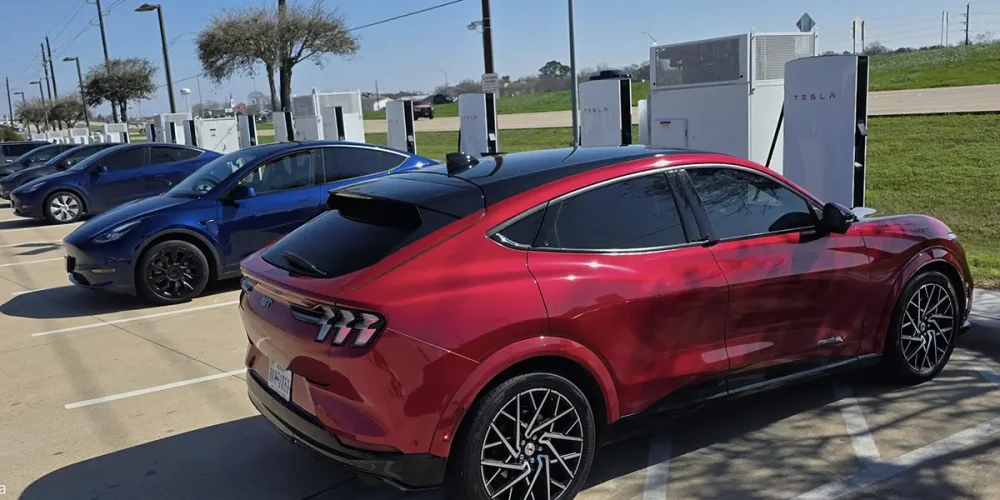
Explore battery lifespan factors, what impacts your electric car’s longevity, and expert tips to maximize battery health.
Honestly, the “battery death” fear is mostly overblown. While early EVs had their struggles, modern lithium-ion packs are surprisingly resilient. Most drivers will probably sell their car long before the battery gives up the ghost.
But So, how long do electric car batteries last in the real world—not in a lab, but on American roads? how many miles can you actually expect? And what happens when the range starts to dip?
Let’s get straight into it…
The Average Lifespan
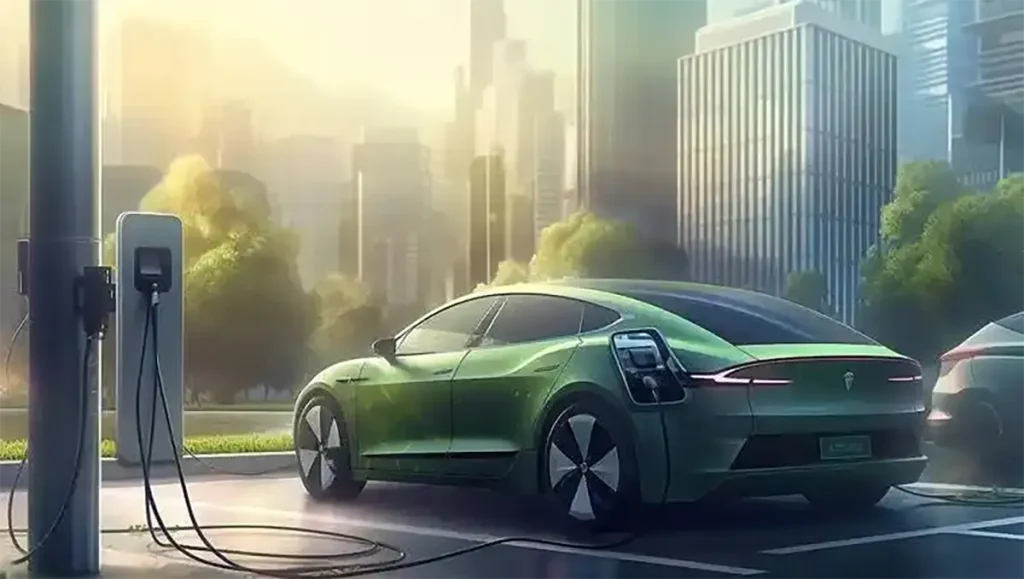
The industry standard for a modern EV battery is generally cited as 10 to 20 years. In terms of mileage, that translates to somewhere between 100,000 and 200,000 miles. Some manufacturers have been even more optimistic, hinting that their newest packs could last for half a million miles.
It’s also worth noting—without getting too technical—that battery chemistry plays a role here. For example, NMC (Nickel Manganese Cobalt) batteries typically offer higher energy density, while LFP (Lithium Iron Phosphate) batteries are known for longer cycle life and improved thermal stability. Both chemistries are designed to comfortably meet modern longevity expectations.
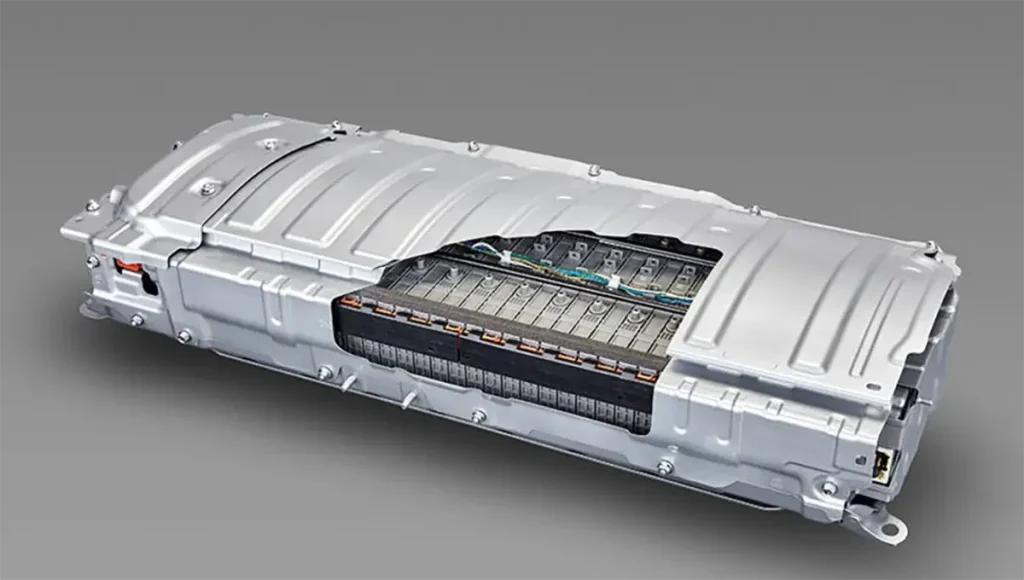
That said, it’s important to understand the “End of Life” definition for these cars. A battery does not usually just stop working one day like a dead flashlight. Instead, it slowly loses its ability to hold a full charge. Once a battery hits 70% of its original capacity, it’s reached the end of its automotive life. Having said that, the car is still perfectly drivable; you just won’t go as far as you once did.
Speaking of security, federal law in the U.S. requires manufacturers to provide a battery warranty for at least 8 years or 100,000 miles. Many companies, like Rivian or Tesla, offer even better terms on top of that. These warranties exist because the technology is reliable. If the batteries were failing at year five, these companies would go bankrupt.
Why and How Batteries Degrade?
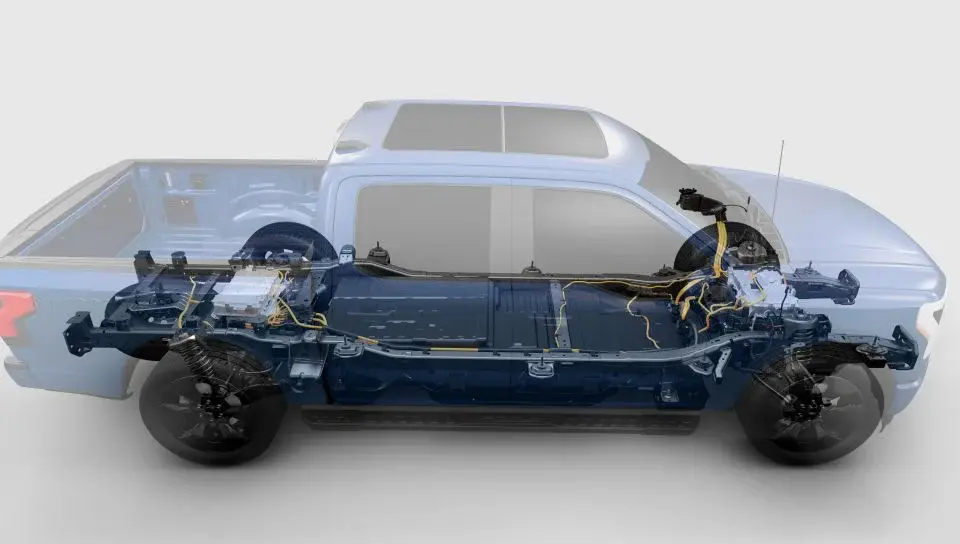
In laymen’s terms, an EV battery is like a sponge. Every time you charge it and discharge it, you’re moving lithium ions back and forth. Over time, that sponge gets a bit “crusty” and can’t hold as much water. This is what we call cycle life. Each full charge and discharge is one cycle, and most packs are rated for thousands of them.
Heat is arguably the biggest factor here. When a battery gets too hot, either from fast charging or a brutal summer in Phoenix, the chemical structures inside start to break down faster. That is why thermal management systems are the real MVP of your car (you can also refer to Thermal Management System in EVs: How It Keeps Your Battery Cool and Efficient). These systems use liquid coolant to keep the cells in a Goldilocks zone. Without them, your battery life would probably be cut in half.
There is also the simple matter of chemical aging (or calendar aging). Just like a phone battery, the materials inside simply get older. Even if you do not drive the car, the chemistry changes over a decade. It’s sort of a natural wear-and-tear process that you cannot entirely stop, albeit you can certainly slow it down.
Real-World Performance vs. Lab Tests
The data coming in from high-mileage drivers is particularly encouraging. Look at Tesla’s impact reports, for instance. They show that even after 200,000 miles, their Model S and Model X packs lose only about 12% of their capacity on average. That means you still have 88% of your range after driving the equivalent of eight times around the Earth.
Climate matters, obviously. If you live in a place like Norway, your battery will likely have a long, healthy life because it stays cool. Elsewhere, like the deep south of the U.S., the constant heat puts more stress on the cells.
Strangely enough, cold weather hurts your range in the moment, but it’s actually better for the battery’s long-term health.
What about fast charging? You’ve probably heard it’s bad for the car. Long story short, it’s not as catastrophic as the rumors suggest. A study by Recurrent Auto analyzed thousands of Teslas and found almost no difference in degradation between those that fast-charged frequently and those that did not. That being said, there is a catch, frequent fast charging in extreme heat is still a bad combo.
Expert Tips to Make It Last Forever
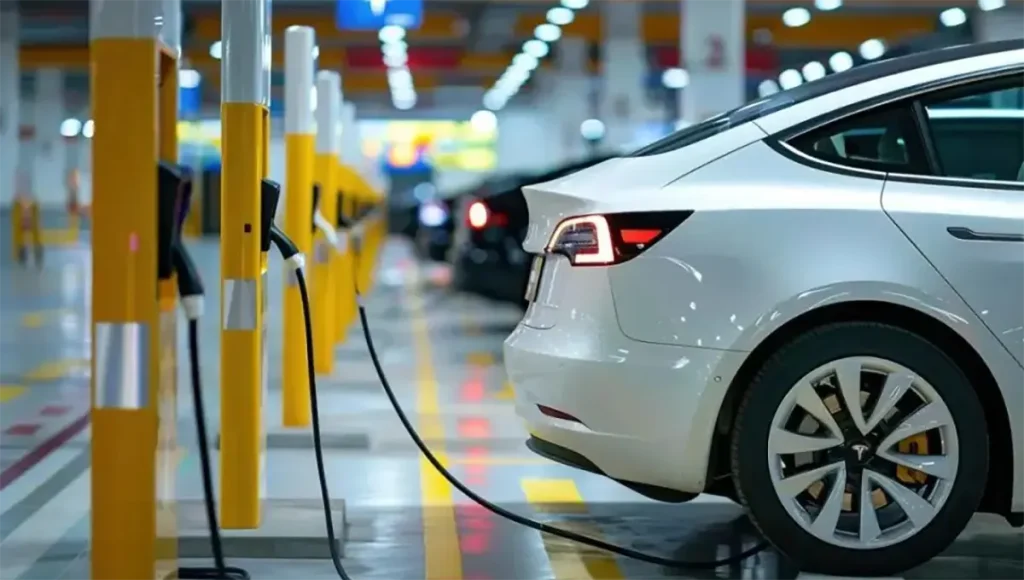
The single best thing you can do is follow the 20-80 rule. Lithium-ion batteries hate being totally full or totally empty. If you keep your daily charge between 20% and 80%, you’ll drastically reduce the stress on the chemistry. Better yet, only charge to 100% when you’re actually heading out on a long road trip.
And speaking of charging, try to minimize your use of DC fast chargers for daily needs. Level 2 home charging is much “gentler” on the pack because it does not generate nearly as much heat. Think of it like a slow-cooked meal versus a microwave; the slow way is just better for the ingredients.
If you are not going to drive for a while. Say, a month-long vacation, don’t leave the car plugged in at 100%. Somewhere around 50% is the ideal state for storage. Neither a full battery nor an empty one likes to sit still for weeks on end. It’s kind of like leaving a rubber band stretched to its limit; eventually, it loses its snap.
The Second Life of an EV Battery

So, what happens when the car finally hits that 70% threshold? The battery does not go to a landfill. In fact, it’s far too valuable for that. These packs are often pulled out and used for grid storage. They can store solar energy for homes or power large-scale industrial sites. On the whole, a battery that’s “tired” for a car is still a powerhouse for a house.
Recycling programs are also hitting their stride. Companies like Redwood Materials are already proving they can recover over 95% of the nickel, cobalt, and lithium from old packs. It’s a closed loop, more or less. We’d argue that the “waste” problem people talk about is rapidly being solved by smarter engineering.
When Should You Actually Worry?
You should keep an eye out for rapid range loss. If you lose 10% of your range in a single month, something is probably wrong with a specific module. Or perhaps you see software errors that prevent the car from reaching a full charge. These are the red flags that suggest a hardware failure rather than natural aging.
Replacement costs have been a major talking point, and honestly, they are not cheap. You might be looking at $10,000 or more for a full pack. But here’s the thing: prices are falling as manufacturing scales. By the time your 2026 EV needs a battery in 2039, the technology will be much cheaper and probably twice as good.
Closing Thoughts
So, how long do electric car batteries last in the real world? While lifespan depends on battery chemistry, driving habits, and temperature, you can generally expect your battery to last between 10 to 20 years. This is far longer than many early EV adopters anticipated.
The shift from range anxiety to battery confidence is well underway. As of today, the batteries are outlasting the cars themselves in many cases.
If you follow the basic rules, mind the heat, use the 20-80 rule, and drive sensibly. Your battery will be the least of your worries.
That said, keeping your battery healthy is a lot easier when you have the right gear. Whether you’re looking for a reliable home setup or a portable charger for those “just in case” moments, we at Duevolt have you covered. We’ve spent a lot of time curating a solid range of chargers and accessories designed specifically to make EV life simpler. Better still, they’re built to handle the real-world conditions we’ve talked about.
FAQs
Does fast charging damage my battery?
Occasionally? No. Every day for three years? Probably. We’d argue that Level 2 Home Charger is your best friend for longevity. Using a Supercharger is fine for road trips, but don’t make it your only way of fueling up if you can help it.
What is the cost of a replacement battery?
Currently, you’re looking at $5,000 to $15,000 depending on the model. That said, prices are dropping as manufacturing scales. Most owners will likely never have to pay this out of pocket thanks to long warranties.
Will my battery die if I don’t drive the car?
It won’t die instantly, but leaving it at 0% in a garage is a recipe for disaster. Aim for about 50% charge for long-term storage. You want the chemistry to stay stable while it’s sitting.
Do cold climates shorten battery life?
Actually, heat is worse for long-term degradation. Cold just hurts your range temporarily while it’s freezing outside. Once the battery warms up, the range returns.