

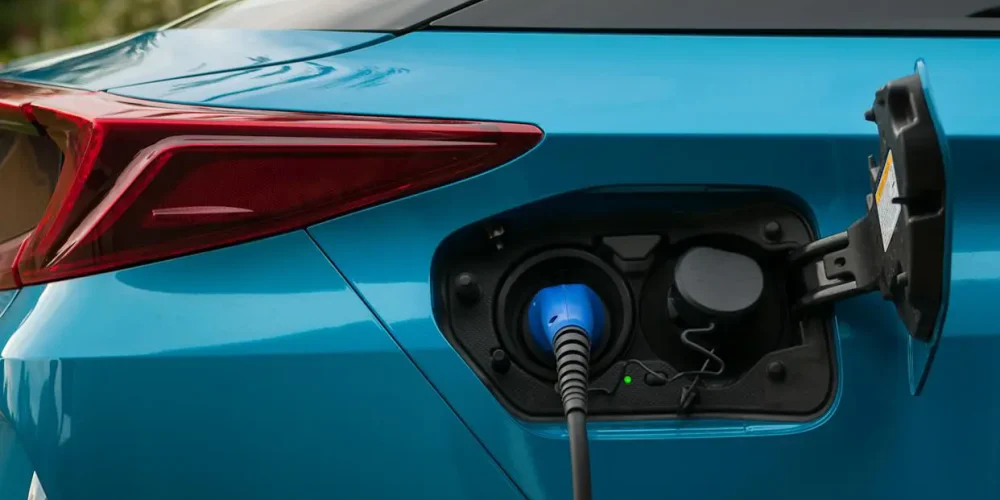
Learn whether hybrid cars need to be charged, how different hybrid types work, and which option is best for your driving needs.
Hybrid cars are often seen as a middle ground between traditional gasoline vehicles and fully electric cars. They promise better fuel efficiency, lower emissions, and fewer worries about charging. But one question comes up again and again: Do hybrid cars need to be charged? This is one of the most common concerns for new buyers researching hybrid vehicles.
The answer isn’t a simple yes or no. To fully understand whether do hybrid cars need to be charged, you need to look at the different types of hybrid systems available today. Some Hybrid cars never need to be plugged in, while others can be charged just like electric vehicles. Understanding the difference is important, especially if you’re considering buying a Hybrid or already own one.
This guide explains how Hybrid cars work, the different types of Hybrids available today, how charging fits into each type, and how Hybrids compare to gasoline cars and fully electric vehicles.
What is a Hybrid Car and How Does it Work?
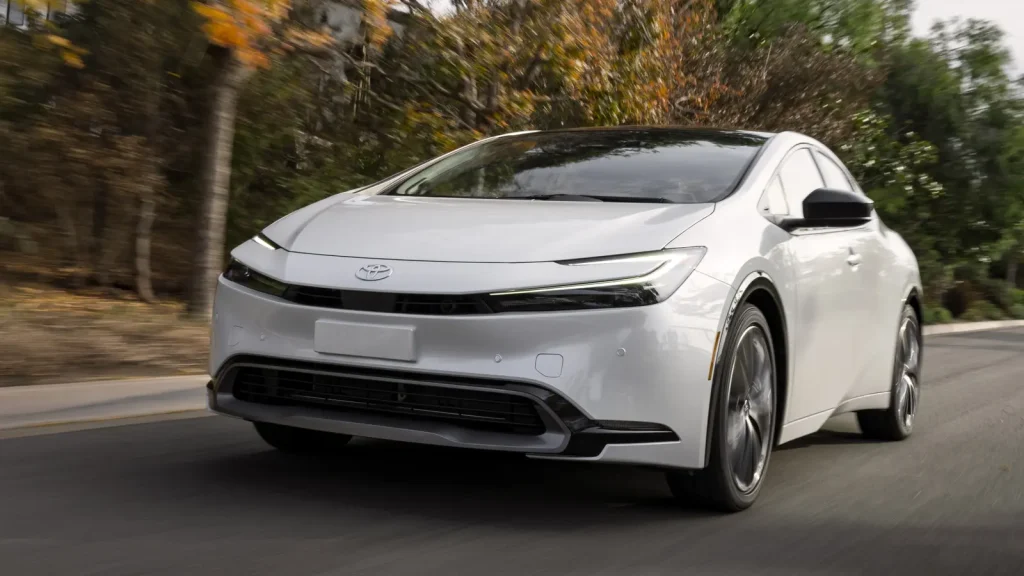
A Hybrid car is very similar to a conventional gasoline car. In fact, they usually share a similar body design. Basically, a Hybrid car uses two power sources instead of one. It combines a gasoline engine with an electric motor and a battery. In a Hybrid car, there is a battery pack under the car seats. The battery size is smaller compared to a standard fully electric vehicle (EV). These batteries are not the primary source of power.
A Hybrid car gets its main power from the gasoline engine. The goal of having two power sources is to use each where it works best.
At low speeds or during light driving, the electric motor can handle the job more efficiently than a gasoline engine. During higher speeds, heavy acceleration, or long highway driving, the gasoline engine takes over or works together with the electric motor.
A computer system inside the vehicle constantly decides:
● When to use electric power
● When to use the gasoline engine
● When to combine both
The driver doesn’t need to manage this manually. Everything happens automatically in the background to improve fuel efficiency and reduce emissions.
Do Hybrid Cars Need to Be Charged?(Complete Explanation)
Whether a Hybrid car needs to be charged depends entirely on its type. If you are still wondering do hybrid cars need to be charged in everyday use, the answer will vary based on the hybrid system. Not all Hybrids work the same way. The charging requirements vary depending on the type of Hybrid you are driving.
There are three main types of Hybrid vehicles in the automotive industry:
● Mild Hybrids
● Full Hybrids
● Plug-in Hybrid electric vehicles
Each type handles charging differently. Some can charge on their own, while others have an option for external charging. Although some Hybrids like PHEVs require charging, they can still run on gasoline without charging at all.
1: Mild Hybrid Vehicles (MHEVs)
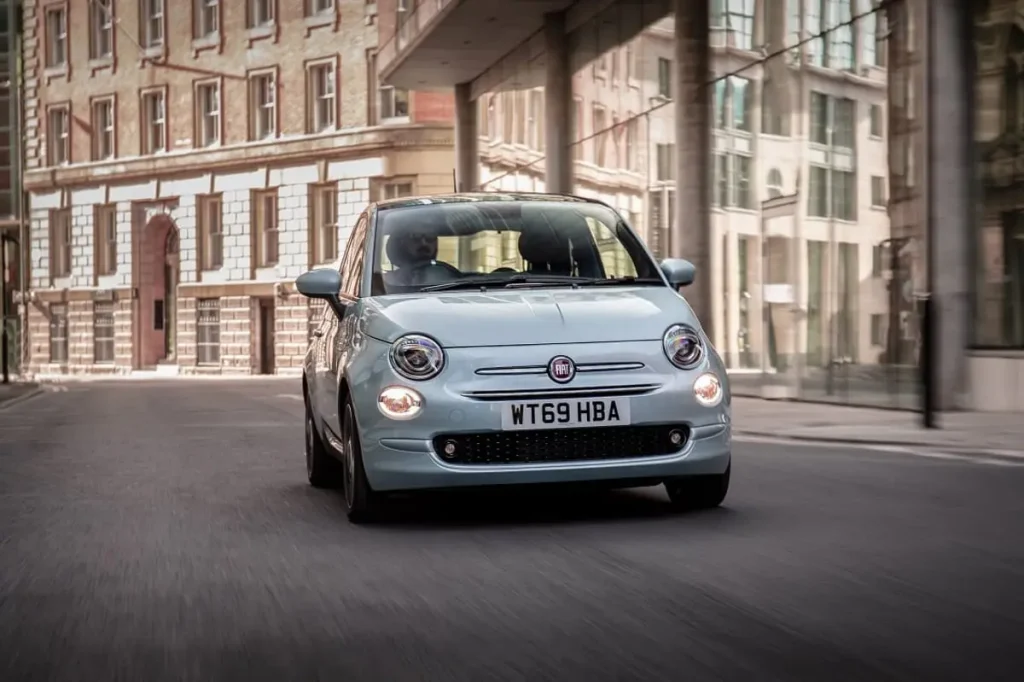
Mild Hybrids use a small electric motor to assist the gasoline engine. This motor helps during tasks like starting the engine, accelerating, or reducing engine load.
However, mild Hybrids:
● Cannot drive on electric power alone
● Do not have large batteries
● Cannot be plugged in
The battery in a mild Hybrid is charged automatically while driving. Energy is recovered during braking and deceleration, and sometimes through the engine itself.
From the driver’s perspective, a mild Hybrid behaves very much like a regular gasoline car, just slightly more efficient.
Do mild Hybrids need to be charged?
If you’re asking do hybrid cars need to be charged in this category, the answer is clearly no. No manual charging or external charger is required. Mild Hybrids are capable of charging themselves using the gasoline engine.
2: Full Hybrid Electric Vehicles (HEVs)
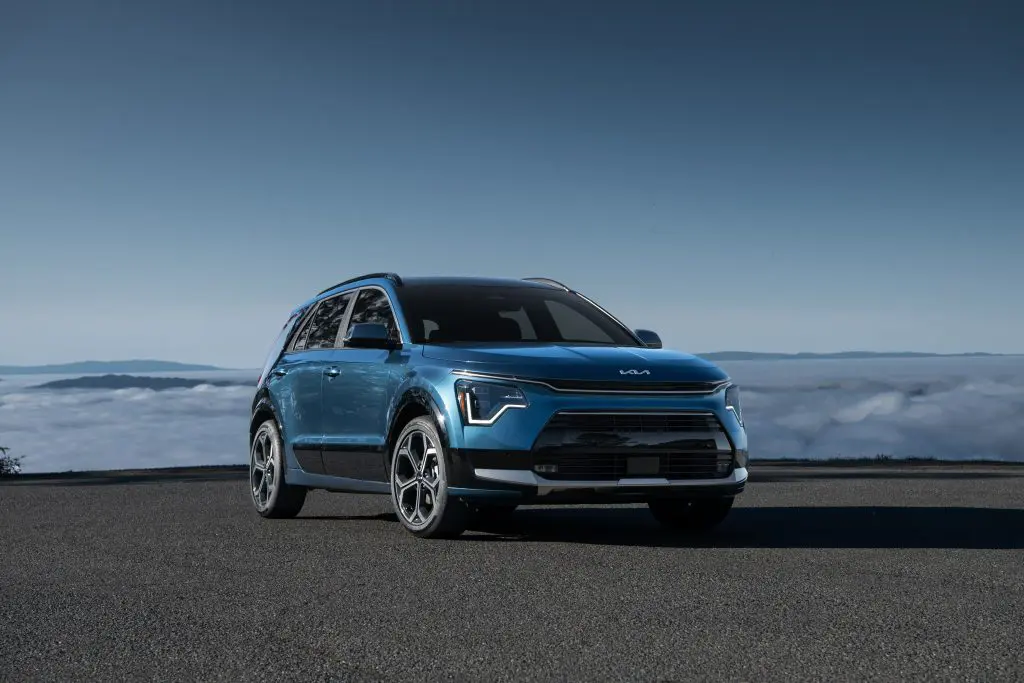
Full Hybrids take things a step further. They use a larger battery and electric motor than mild Hybrids. A larger battery and electric motor allow the vehicle to drive alone on electric power. However, they can drive short distances due to limited battery capacity, usually at low speeds.
In city traffic or slow driving conditions, the car may:
● Run entirely on electricity for brief periods
● Switch between the engine and the motor smoothly
● Use both systems together when needed
Despite this electric capability, full Hybrids do not need to be plugged in. Their batteries are charged automatically through:
● Regenerative braking
● Energy generated by the gasoline engine
Do full Hybrids need to be charged?
For drivers asking do hybrid cars need to be charged, full hybrids also do not require manual charging. No, charging happens automatically while driving.
3: Plug-In Hybrid Electric Vehicles (PHEVs)
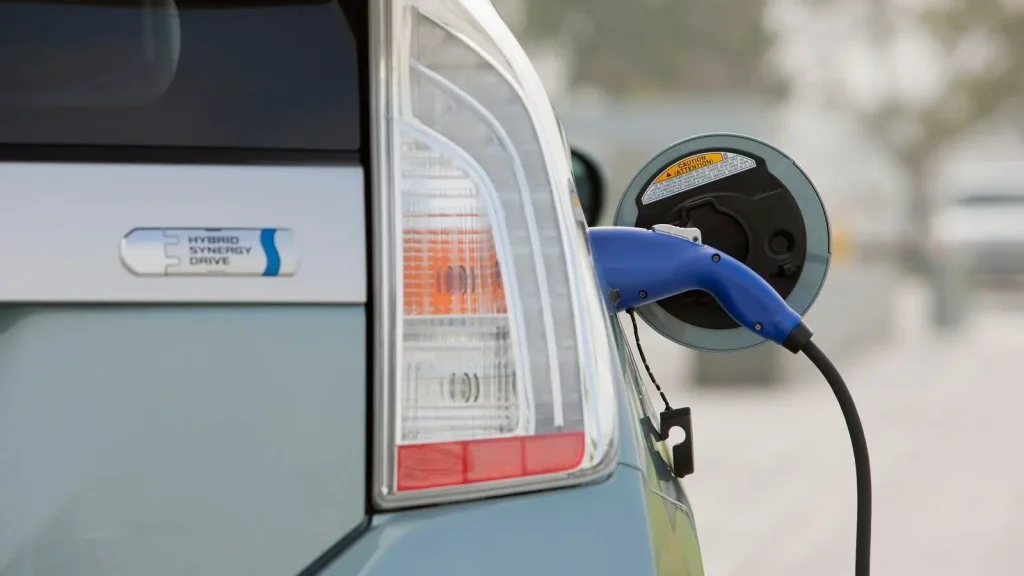
As the name suggests, the Plug-in Hybrid Electric Vehicles are where charging becomes relevant. Unlike other Hybrids, PHEVs can be plugged in to charge their batteries from an external power source. Charging the battery allows the vehicle to operate as an electric car for short to medium trips.
PHEVs have:
● A gasoline engine
● One or more electric motors
● A much larger battery than other Hybrids
This larger battery allows PHEVs to drive on electric power alone for much longer distances, often enough for daily commuting.
Once the battery is depleted:
● The vehicle continues driving using gasoline
● The Hybrid system works like a regular Hybrid
Do plug-in Hybrids need to be charged?
When discussing do hybrid cars need to be charged, plug-in hybrids are the only type where charging plays a major role.
Plug-in Hybrids are capable of being charged from an external energy source. They don’t have to be, but charging them regularly is what makes them most effective. If you don’t charge a PHEV, it will still work as a regular Hybrid car.
How a Hybrid Car Charges Itself
For Hybrids that don’t plug in, charging happens automatically through two main methods.
Regenerative Braking
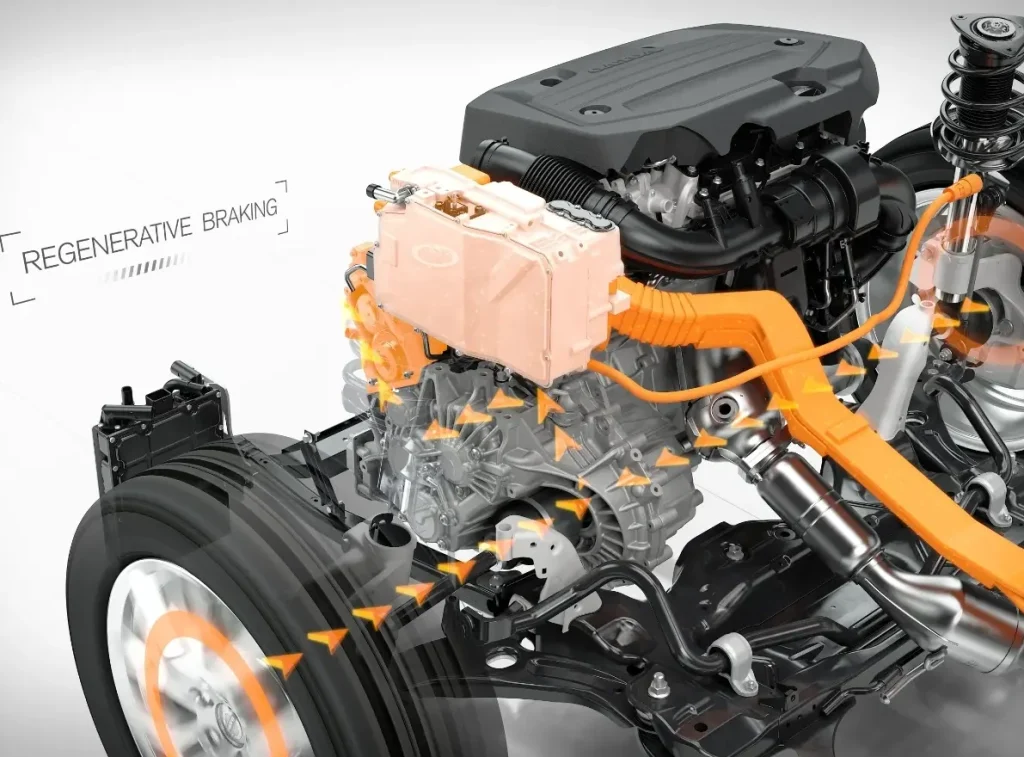
When a Hybrid car slows down or brakes, energy that would normally be lost as heat is captured and converted into electricity. This electricity is stored in the battery for later use.
Engine-Generated Charging
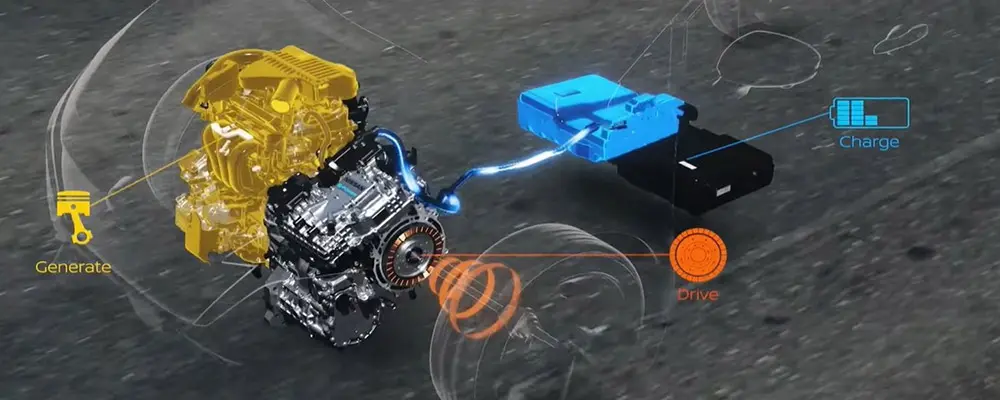
The gasoline engine can also produce electricity while driving. This helps maintain the battery level, especially during longer trips or steady highway driving.
These systems work together without any input from the driver.
How to Charge a Plug-In Hybrid (PHEV)
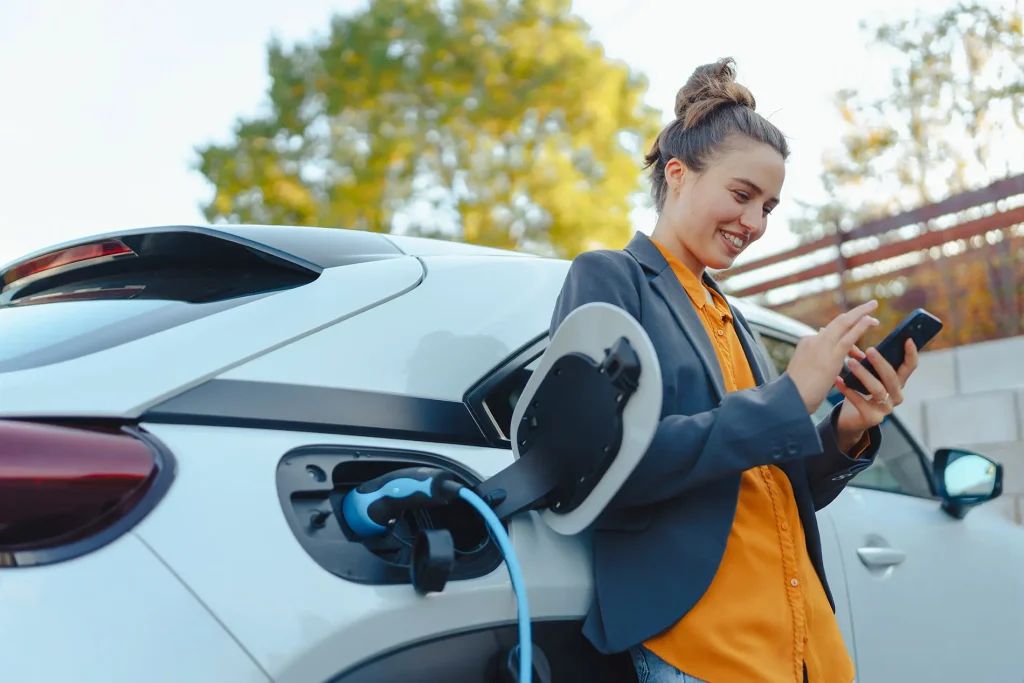
Charging a plug-in Hybrid is simple and similar to charging a fully electric vehicle, though the battery is smaller.
Where You Can Charge a PHEV
● At home, using a standard wall outlet
● At home with a dedicated charging unit
● At public charging stations
Because PHEV batteries are smaller than EV batteries, they usually charge faster.
What Happens When the Battery Is Full
Once fully charged, the vehicle prioritizes electric driving. When the battery runs low, the gasoline engine turns on automatically.
What Happens If You Don’t Charge a Plug-In Hybrid? (Do Hybrid Cars Need to Be Charged in Practice?)
If you never plug in a PHEV, the car still works normally. Without the batteries being charged, the PHEV behaves like a regular Hybrid, and the fuel efficiency may be lower than expected. You won’t damage the vehicle, but you’ll miss out on the electric-only driving advantage.
Hybrid Cars vs Gasoline Cars
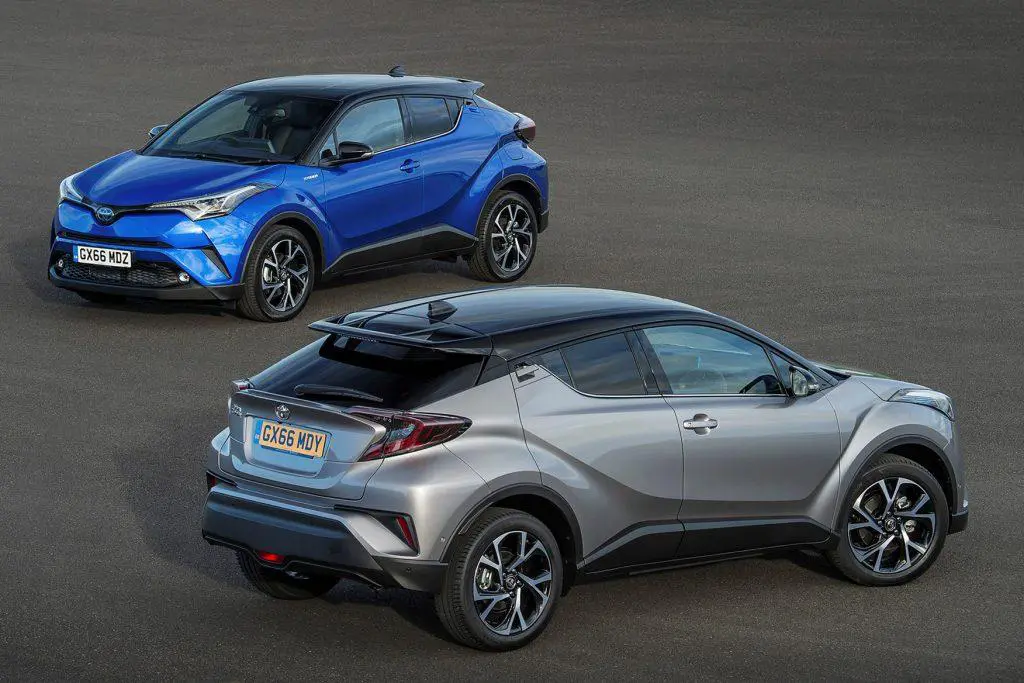
A gasoline-only car relies entirely on fuel to operate. The engine handles all driving tasks, and there is no other source to power the wheels. While a Hybrid has a secondary power source in the form of batteries. These batteries power the electric motors that allow you to drive in electric-only mode for a few miles. In terms of efficiency, the Gasoline cars have:
● Higher fuel consumption
● Higher emissions
● More engine wear over time
Hybrid cars reduce fuel use by:
● Using electric power when possible
● Shutting off the engine during idle periods
● Recovering energy during braking
This makes Hybrids more efficient, especially in city driving where stop-and-go traffic is common.
Hybrid Cars vs Fully Electric Vehicles
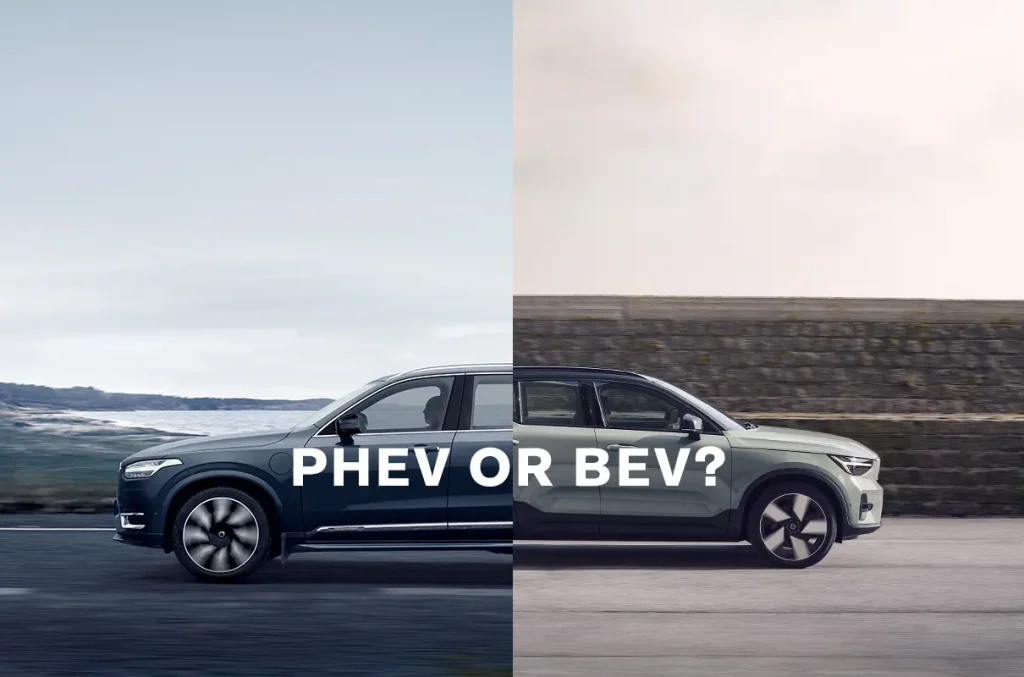
Fully electric vehicles use only electricity and must be charged regularly to operate. They produce no tailpipe emissions and rely entirely on charging infrastructure. This means that after the battery is depleted, the vehicle can not be operated unless you recharge it.
Hybrid cars differ in key ways:
● They do not rely solely on charging
● Gasoline provides backup for long trips
● Range anxiety is much lower
Plug-in Hybrids sit between these two worlds, offering electric driving without eliminating gasoline.
Which Type of Hybrid Is Right for You?
The best choice depends on your driving habits and access to charging.
Mild Hybrid:
Best for drivers who want small efficiency gains with no behavior changes. Drivers don’t have to worry about charging their vehicle to gain extra miles; the vehicle itself does all the work. Out of three Hybrids, Mild Hybrids are less efficient, and they can not drive on electric power alone.
Full Hybrid:
Ideal for city driving, improved fuel economy, and just like a mild Hybrid, it doesn’t require external charging. The fuel efficiency is much better; it has bigger batteries than a mild Hybrid. With the help of a larger battery, the vehicle can run on electric power only for a limited range.
Plug-in Hybrid:
Great for daily commuters and occasional long drives. It offers a pure electric range with a plug-in charging option. Understanding your daily mileage and charging access helps determine the best fit. If you are not bothered by the worry of charging your vehicle, the Plug-in Hybrid (PHEV) is the best fit for you.
Conclusion
So, do Hybrid cars need to be charged?
Most of the time, no. Mild Hybrids and full Hybrids charge themselves automatically. Plug-in Hybrids can be charged, but don’t require it to function.
Understanding how each Hybrid type works helps set the right expectations and ensures you get the most value from your vehicle. Whether you want simplicity, fuel savings, or a mix of electric and gasoline driving, there’s a Hybrid option designed to meet those needs.
Frequently Asked Questions (FAQs)
Many drivers still ask: do hybrid cars need to be charged in real-world conditions? Here are the most common answers.
Do Hybrid Cars Need to Be Charged?
REEV stands for Range Extended Electric Vehicle, a type of electric vehicle that includes a range-extending generator. 1. Mild hybrids (MHEVs) and full hybrids (HEVs) charge themselves automatically; 2. Plug-in hybrids (PHEVs) can be charged, but do not require it; However, charging a plug-in hybrid regularly improves fuel efficiency and allows electric-only driving.
Do all Hybrid cars need to be charged?
No. Most Hybrid cars do not need to be plugged in. Regular Hybrids (HEVs) and mild Hybrids charge their batteries automatically while driving. Only plug-in Hybrid electric vehicles (PHEVs) can be charged using an external power source.
What happens if I never charge a plug-in Hybrid?
If you don’t charge a PHEV, it will still work normally using gasoline and its Hybrid system. However, you’ll miss out on electric-only driving, better fuel efficiency, and lower running costs. Charging allows the car to use electricity first before switching to fuel.
Can a Hybrid car run only on electricity?
Some Hybrids can, but only for short distances. HEVs can drive on electric power briefly at low speeds; PHEVs can drive much farther on electricity, often enough for daily commutes.
Should You Choose a Hybrid or a Plug-In Hybrid?
If you don’t have access to home charging, a regular hybrid (HEV) is usually the better choice. If you can charge at home daily, a plug-in hybrid (PHEV) can significantly reduce fuel costs and let you drive on electricity most of the time.
How long does it take to charge a plug-in Hybrid?
Charging time depends on the charger: A standard household outlet may take several hours; A Level 2 home charger can usually fully charge a PHEV overnight; Most PHEVs do not support ultra-fast charging, but their smaller batteries charge more quickly than full EVs.
Do Hybrid batteries wear out quickly?
Hybrid batteries are designed to last many years. They are managed carefully by the vehicle’s system and usually experience less stress than full EV batteries. Many manufacturers also provide long warranties on Hybrid battery packs. You can also refer to our article upon how long the EV battery can last.
Are Hybrids better for long trips than electric cars?
Hybrids can be more convenient for long trips because they don’t rely entirely on charging infrastructure. You can refuel quickly at gas stations while still benefiting from improved fuel efficiency. However, if you are thinking about going on a long trip, depending on the electric range alone, then the answer is no. EVs can cover much longer distances than any PHEVs.