

Looking for the Cheapest Electric Car? Here Are the Best Budget EVs With Strong Range, Fast Charging, and Low Ownership Costs
If you’re searching for the cheapest electric car you can buy in 2026, you’re not alone. With the average new EV now costing around $58,000 on average, affordability has become one of the biggest concerns for everyday drivers.
Fortunately, there are still several strong options under $40,000 that prove the cheapest electric car doesn’t have to feel “cheap.” Many of today’s most affordable EVs offer over 250 miles of range, fast-charging capability, modern infotainment systems, and even access to Tesla’s Supercharger network.
In this guide, we’ve ranked the 8 cheapest electric cars to own in 2026 based on starting price, range, charging speed, and overall practicality. These vehicles may skip ultra-high performance trims, but they deliver exactly what most drivers need: reliable, efficient, and budget-friendly electric transportation.
Let’s take a closer look.
1. Chevrolet Bolt
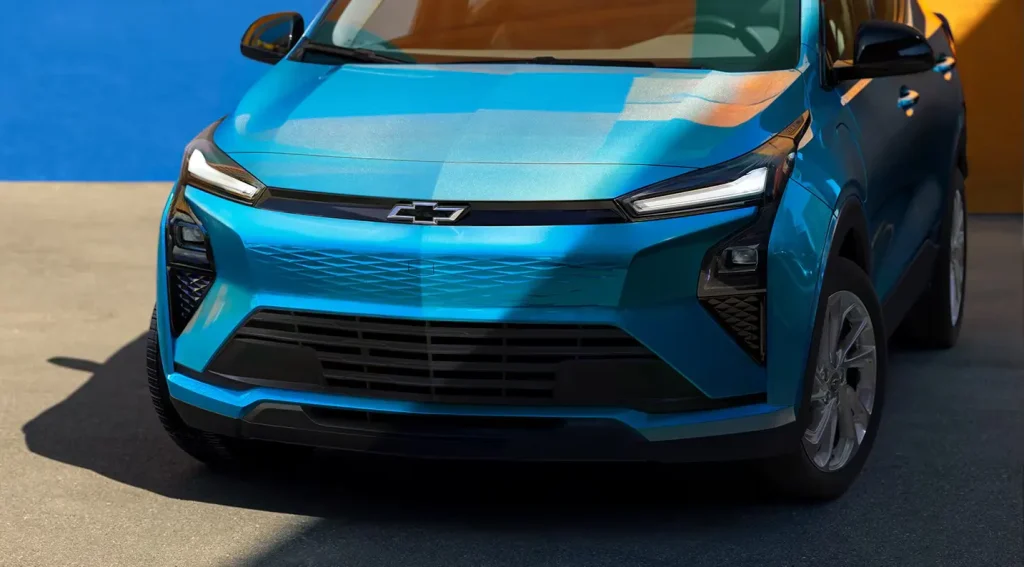
Starting price: $28,995
Manufacturer-estimated range: 255 miles
The Chevrolet Bolt has *dethroned *the Nissan Leaf, becoming the cheapest electric car you can buy in 2026. It is set to return into the market in mid-2026.
While the standard hatchback has been discontinued, the larger Bolt EUV is now the sole model and will simply be called the “Bolt” moving forward.
Arguably, this is the best value for your money. You get an estimated 255 miles per charge, which exceeds the 42-mile average daily commute for most people.
It comes with a native NACS port. This means you can use Tesla’s Supercharger network without an adapter. It supports DC fast-charging and can go from 10% to 80% in about 25 minutes.
2. Nissan Leaf S+
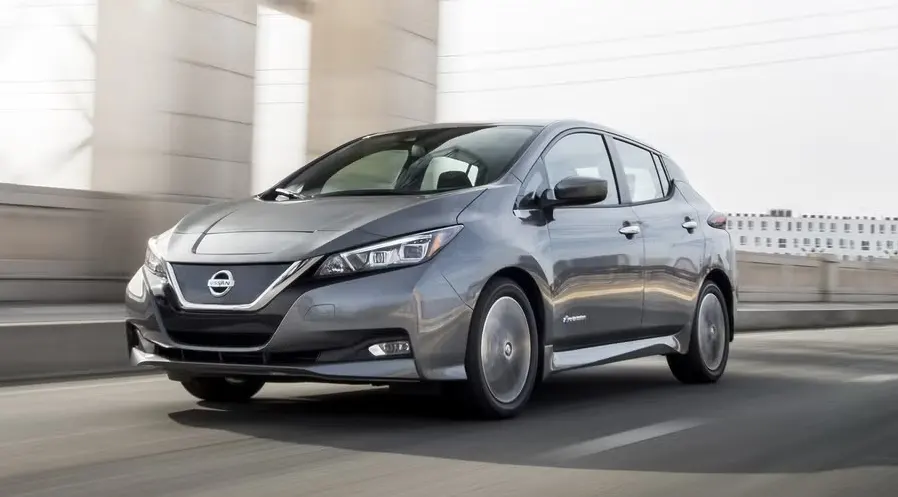
Starting price: $29,990
EPA-estimated range: 259-303 miles
The Nissan Leaf was the first mainstream electric car. For a while, it felt a bit dated. That changed with the 2026 redesign. It now launches with a 75-kWh battery. This version provides 214 horsepower and up to 303 miles of range. A smaller 52-kWh version will follow for those who want to save even more.
Inside, the tech is strikingly similar to more expensive SUVs. It features dual 12.3-inch displays as standard. Higher trims get even larger 14.3-inch screens. It also finally moved to a native NACS port. This allows fast-charging up to 150 kW.
The Leaf is no longer just a “starter” car. It is a serious contender.
3. Hyundai Kona Electric
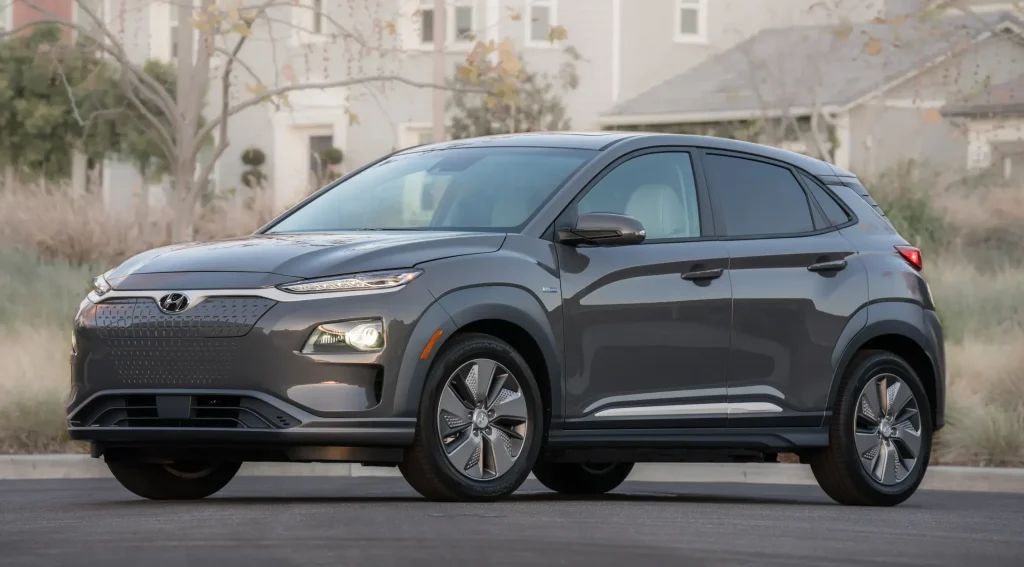
Starting price: $34,470
EPA-estimated range: 200-261 miles
The Kona Electric is a budget-friendly alternative to the pricier Ioniq series. It starts at just over $34,000. You have two main powertrain options. The base version uses a 48.6-kWh battery with a 133-hp motor. This gives you about 200 miles of range.
If you can stretch your budget, the upper trims are worth it. They use a 64.8-kWh battery. The SEL trim offers the maximum range of 261 miles. It supports charging speeds of 100 kW. This means you can reach an 80% charge in about 43 minutes. For most, this is the perfect small SUV for a young family.
4. Chevrolet Equinox EV
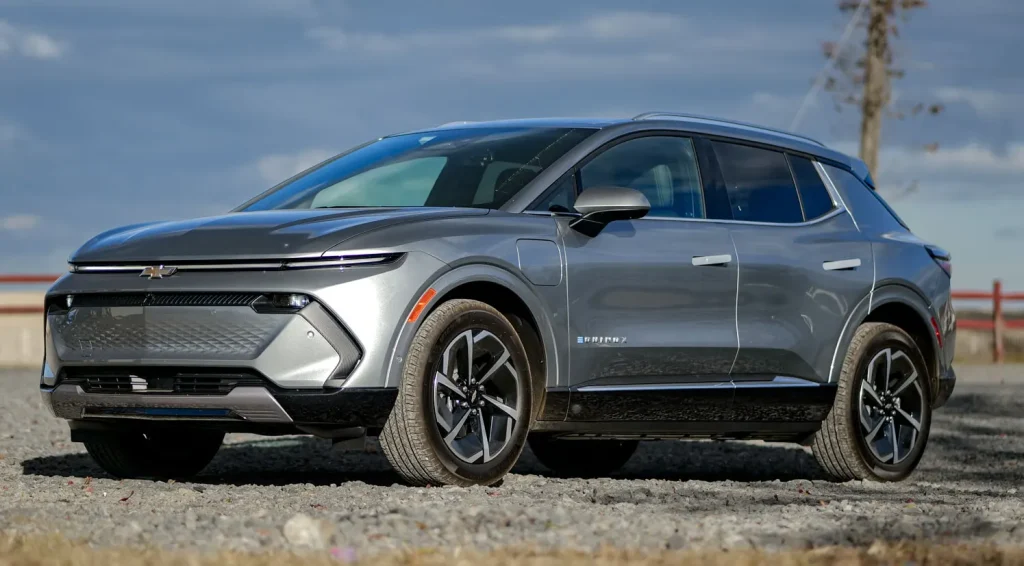
Starting price: $34,995
EPA-estimated range: 288-319 miles
The Equinox EV has been a huge Chevrolet success. They sold nearly 58,000 units in 2025 alone. It is easy to see why. It offers up to 319 miles of range for under $37,000. You can choose a 220-hp FWD model or a 300-hp AWD version.
It supports 150-kW fast charging. This adds about 77 miles of range in just 10 minutes. On top of that, it comes standard with a massive 17.7-inch infotainment display. It features Google Built-In for seamless navigation.
Overall, it is a very practical package for daily life.
5. Hyundai Ioniq 5
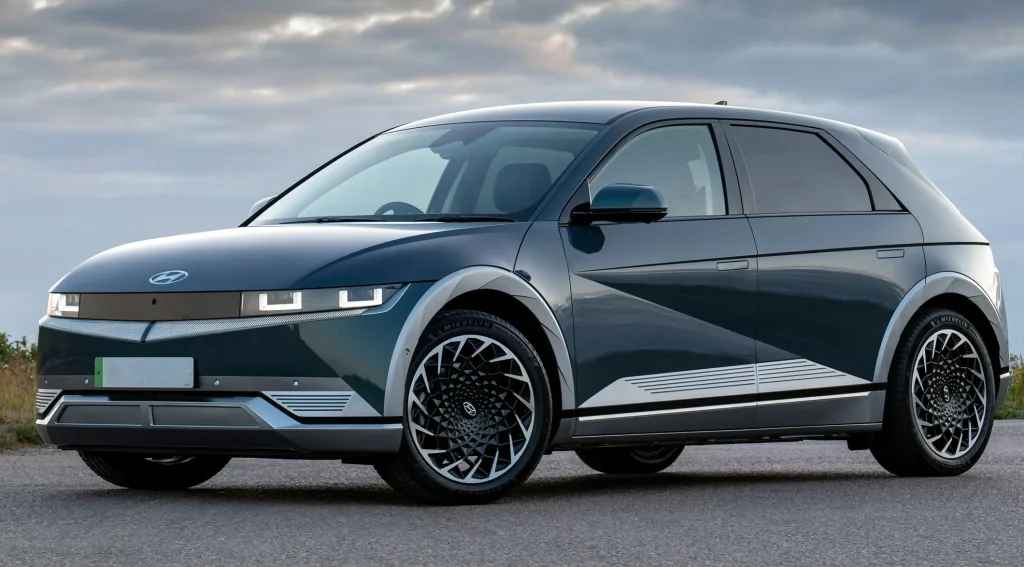
Starting price: $35,000
EPA-estimated range: 221-318 miles
The Ioniq 5 is arguably the most futuristic-looking car on this list. It offers a wide spectrum of performance. You can choose between rear-wheel drive or all-wheel drive. There are also two battery options: 63 kWh or 84 kWh.
What sets this car apart is the industry-leading 350 kW charging. It is capable of a 10% to 80% charge in just 20 minutes. That is incredibly fast for a car at this price point. The interior is spacious and feels like a mobile living room. It comes standard with a 12.3-inch touchscreen and heated front seats.
6. Fiat 500e
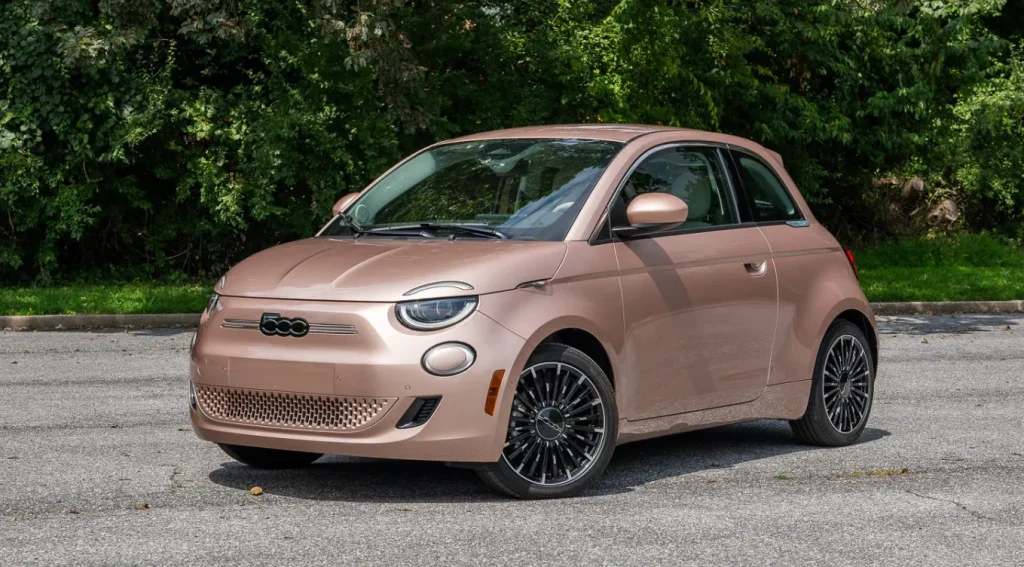
Starting price: $35,700
EPA-estimated range: 141-149 miles
The Fiat 500e is one of the smallest cars on sale today. It is only 12 feet long and weighs under 3,000 lbs. Because it is so light, it is incredibly fun to drive in city traffic. It features a 42-kWh battery and a 117-hp motor. This delivers a range of roughly 149 miles.
Admittedly, that range is on the lower side. If you choose this car, we recommend keeping Duevolt’s portable EV charger in the trunk. Having our portable charger handy provides peace of mind when you are away from home. It is a simple way to top off the battery at any standard outlet. Aside from the range, the 500e is a style icon. It includes a 10.25-inch touchscreen and wireless Apple CarPlay.
7. Toyota bZ4X
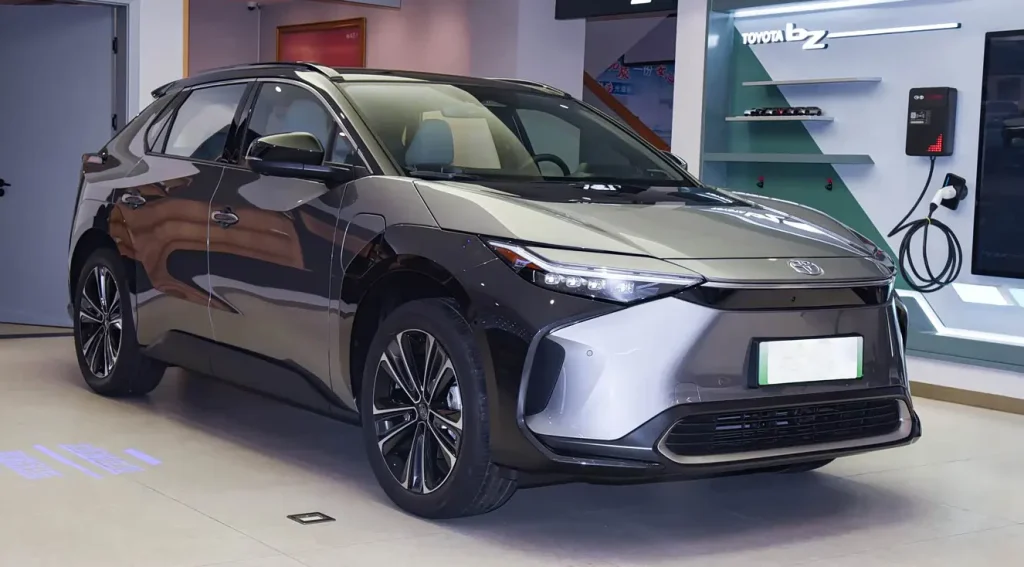
Starting price: $36,350
EPA-estimated range: 236-314 miles
Toyota was late to the EV party, but the bZ4X is a solid entry. You can get it with either a 57.7-kWh or a 74.7-kWh battery pack. It is offered in front-wheel drive or all-wheel drive. Power ranges from 168 to 338 hp depending on your configuration.
In addition, it can reach up to 314 miles on a single charge. It is now equipped with a native NACS port. It supports 150 kW DC fast-charging. You can recharge from 10% to 80% in approximately 30 minutes. It feels like a traditional Toyota inside. That is to say, it is comfortable and easy to use.
8. Tesla Model 3
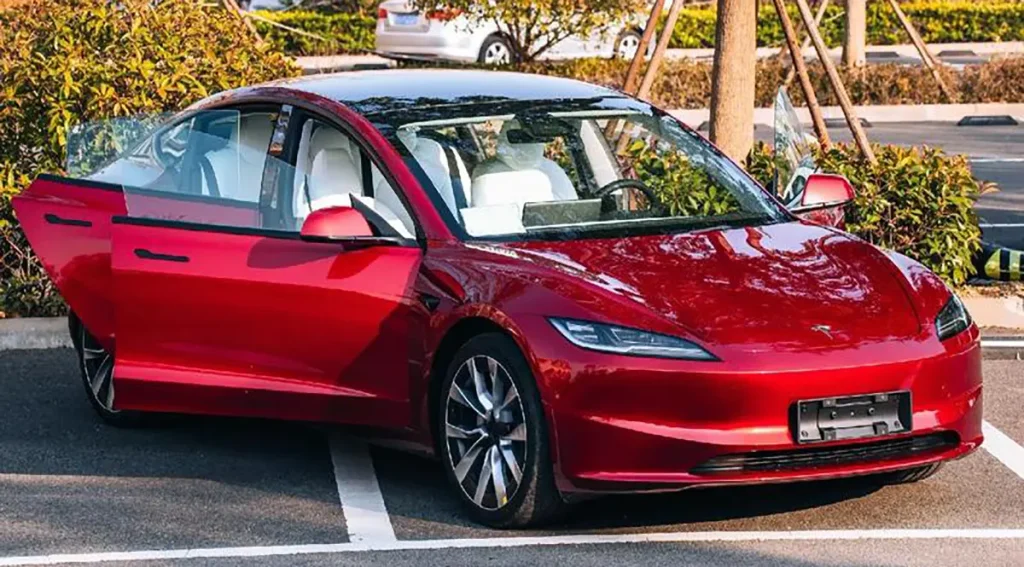
Starting price: $38,380
**EPA-estimated range: **309-363 miles
The Model 3 is the priciest option on our list. However, it is still well under the average new car price. It remains the gold standard for efficiency and infrastructure. The Supercharger network is still the most reliable way to travel long distances.
It features a tech-forward cabin with a single large touchscreen. Some people find the lack of buttons strange. Others love the clean look. It includes an all-glass roof and remote vehicle controls via your phone.
The Model 3 is still one of the best-selling cars in the world for a reason.
Ending Thoughts
While the $30,000–$40,000 range may not sound “cheap” in a historical sense, these vehicles represent the new entry point for modern electric driving. If your goal is to buy the cheapest electric car that still delivers strong range, charging access, and daily usability, every model on this list deserves consideration.
That said, choosing the cheapest electric car is not just about the sticker price. Total ownership costs matter — including charging, maintenance, and long-term battery performance. One of the biggest ways to reduce expenses is charging at home instead of relying solely on public networks.
To keep your cheapest electric car truly affordable to own, we recommend installing a reliable home setup. Duevolt’s range of home chargers and portable chargers makes this easy. Home charging remains the simplest way to ensure your affordable EV stays affordable to run.
Frequently Asked Questions
Can I use a regular outlet to charge these cars?
Yes, you can. Using a standard 120V outlet is known as Level 1 charging. It is slow, but it works fine for overnight top-offs. For faster results at home, we recommend our Duevolt portable or wall-mounted chargers.
How long do the batteries actually last?
Most manufacturers provide a warranty for 8 years or 100,000 miles. In reality, modern EV batteries are designed to outlast the car itself. You might see a small drop in range over a decade, but the car remains very usable.
Is the federal tax credit still available?
The federal EV tax credit ended on September 30, 2025. However, many brands have lowered their MSRPs to fill the gap.
Do I need a special charger for public stations?
Most new EVs in 2026 use the NACS port. This is the same port Tesla uses. If you buy an older model with a different port, you might need an adapter. Most of the new cars on this list will plug right in without any issues.